



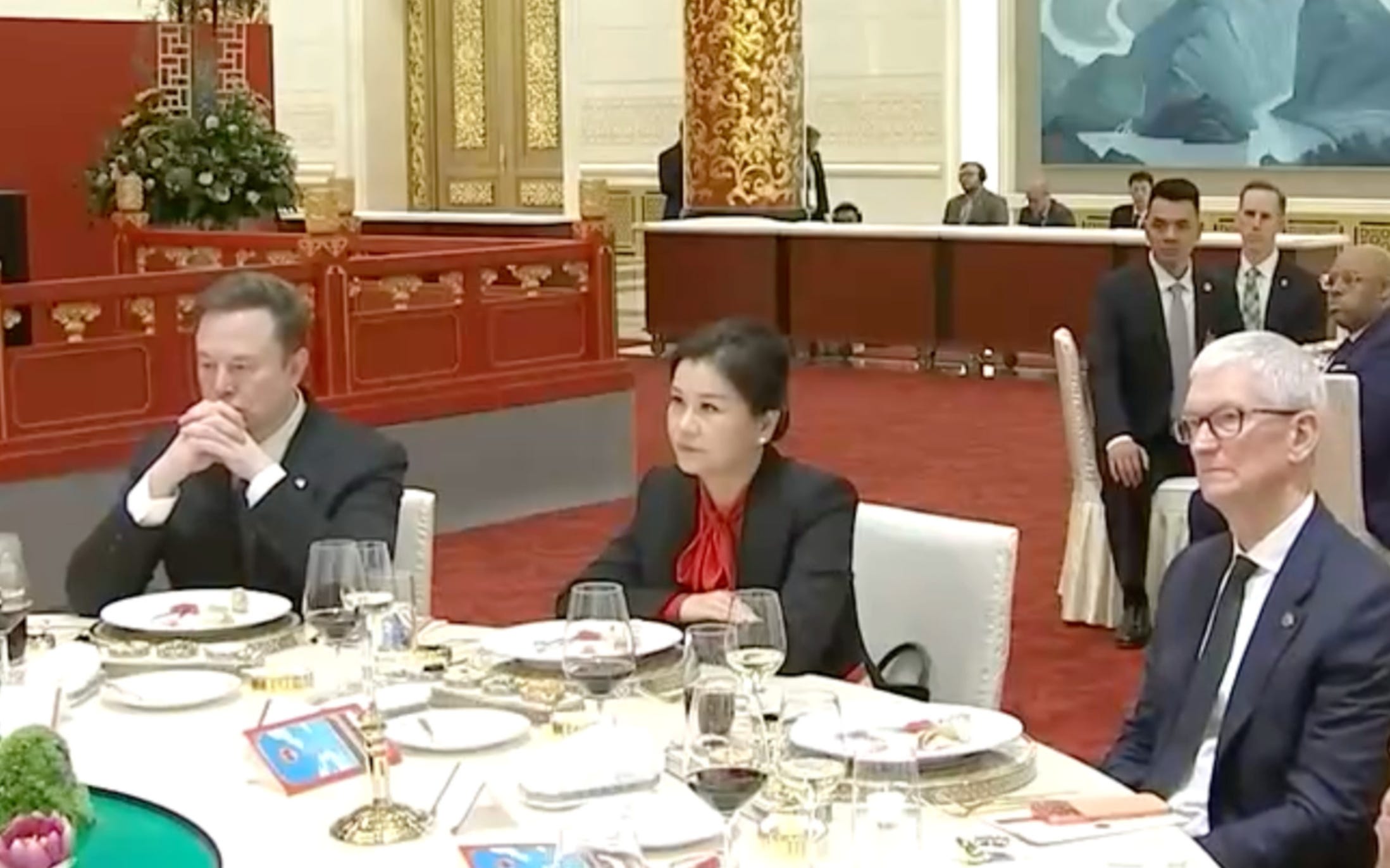
On May 14, at the state banquet welcoming Donald Trump to Beijing, Lens Technology founder Zhou Qunfei was seated between Tesla CEO Elon Musk and Apple CEO Tim Cook.
The seating chart looked almost too neat to be accidental. American executives were placed near the Chinese business leaders whose factories and supply chains help keep their companies running. Zhou’s position was especially revealing: Lens is a major supplier to both Apple and Tesla.
In 2026, however, that dependence did not look entirely comfortable. Lens reported first-quarter revenue of RMB14.14 billion, or about $2.09 billion, down 17.13% from a year earlier. Excluding one-off items, the company lost RMB 174 million, or roughly $25.8 million, as weaker electronics demand, higher memory prices, and currency swings weighed on its business. On April 16, its Shenzhen-listed shares fell 13.35% to RMB25.64, or $3.79.
Then the market changed its mind.
By June 25, Lens shares had more than doubled from that April close, touching RMB58.50, or $8.66. Investors were no longer treating Lens as just a maker of smartphone glass. They were beginning to price it as a supplier to AI glasses, robots, servers, and advanced chips.
In July, Lens gave the market its most exciting story yet: a strategic collaboration with Intel on glass substrates for advanced semiconductor packaging. The companies said they would explore through-glass-via, or TGV, technology. Intel has argued that glass can offer better thermal and mechanical stability than today’s organic package substrates, an increasingly useful property as AI chips become larger, hotter, and more densely connected.
Lens is named after the product that made Zhou rich. But her ambitions now extend far beyond a few sheets of glass.
This is not only the story of one founder or one Apple supplier. It reflects a broader shift in Chinese manufacturing. Companies that spent decades living behind Western brands now want investors to value them as technology platforms, strategic investors, and creators of new markets.
The Glass Cage
Lens Technology’s greatest advantage has always been glass. It has also been the company’s prison.
Zhou did not begin with the advantages usually associated with a Chinese technology billionaire. Her father was badly injured in an industrial accident, and her family could not afford to keep her in school. She left home as a teenager to work in southern China, choosing a factory near Shenzhen University so she could take evening classes. Her job was processing glass for watches.
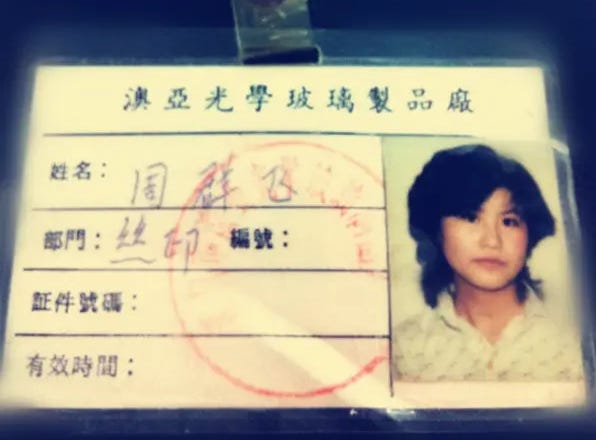
She learned the craft, became a supervisor, and eventually started her own workshop in a converted home. The early staff consisted mostly of relatives and former co-workers. In the early 2000s, she moved from watch glass into mobile-phone cover glass. A Motorola order helped establish the business. Apple transformed it.
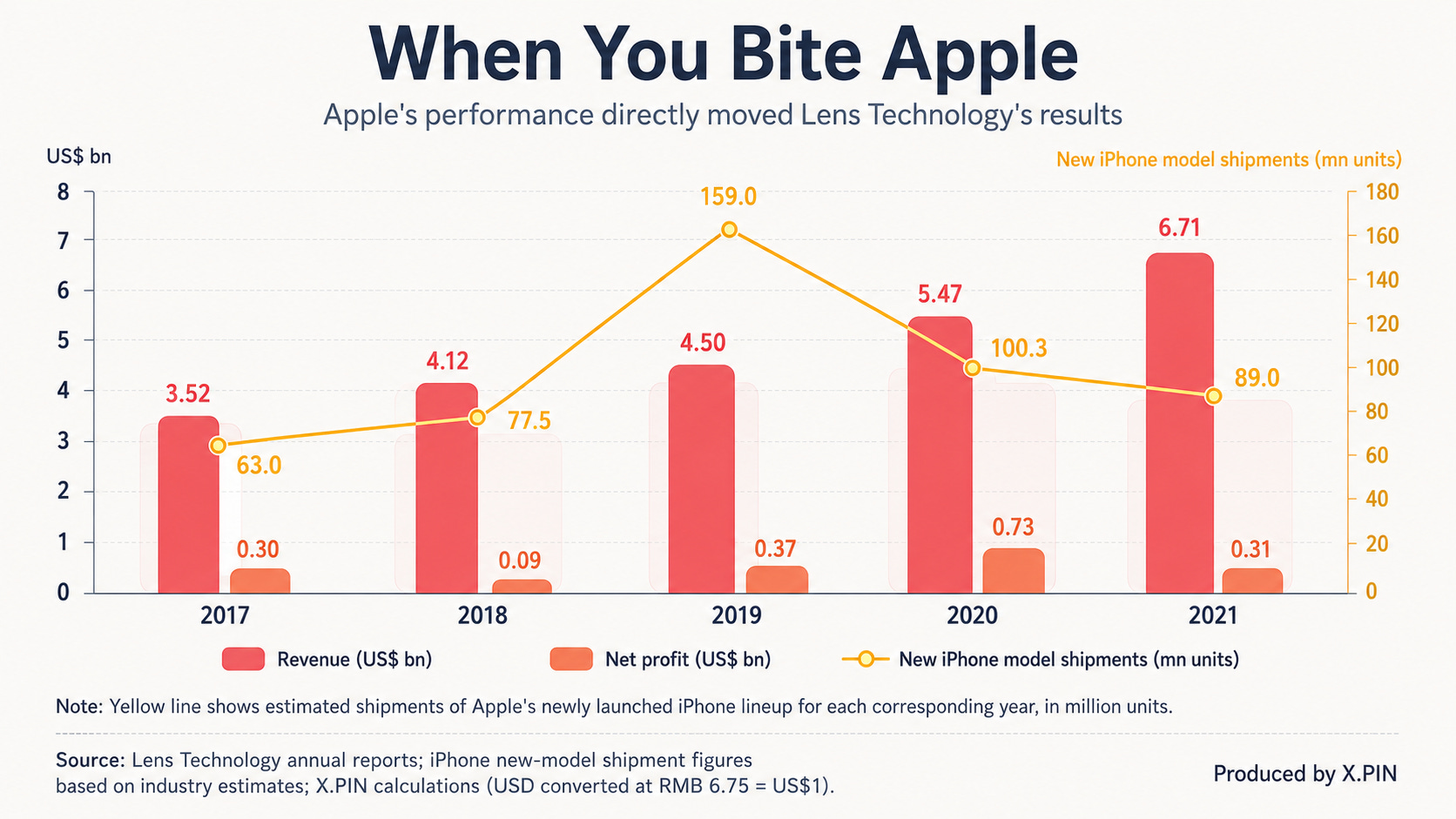
Steve Jobs wanted a phone dominated by a large glass surface rather than a physical keyboard. Lens became part of the supply chain that made that design possible. For years, Apple accounted for close to half of Lens’s revenue. In 2017, 2018, and 2019, Apple-linked sales represented 49.37%, 46.97%, and 43.07% of total revenue, respectively.
That relationship made Zhou one of the world’s richest self-made women. It also tied Lens’s fortunes to decisions made in Cupertino.
When iPhone demand weakened, Lens felt it quickly. In 2018, its net profit fell 68.88%. In 2021, net profit dropped 57.36% to RMB2.09 billion, or about $309 million. The same problem has affected much of China’s Apple supply chain: a supplier may be excellent at manufacturing, but the customer still controls product cycles, order timing, and much of the margin.
Apple suppliers have spent years looking for a way out. Some moved into electric vehicles. Others shifted toward servers and data-center equipment. Lens faced a narrower problem. Zhou’s company was not simply an assembly contractor that could redirect factory workers to a different device. Its deepest knowledge was in glass, coatings, precision finishing, and the materials around them.
If Apple bought less glass, there were few customers large enough to absorb the spare capacity.
That was the glass cage. Everyone could see that dependence on Apple was dangerous. But escaping it required Lens to become a different kind of company without abandoning the skill that made it valuable.
That shift has been underway for years. Investors are only now beginning to notice.
Lens’s Three-Step Escape
Zhou Qunfei had two obvious ways to reduce Lens Technology’s dependence on Apple. The company could find more uses for glass, or it could learn to manufacture more than glass.
In the end, Lens chose both. Its strategy has three parts: deepen its advantage in glass, build new businesses around other materials and assembly, and follow customers into the next generation of hardware.
Double Down on Glass
Lens’s first response was not to abandon glass. It was to find more valuable places to use it.
Beginning around 2020, the company started taking its materials expertise beyond smartphones. It moved into automotive displays, decorative panels, and other glass components used in electric vehicles. It also explored photovoltaic glass and ultra-thin glass, or UTG, the flexible material used in foldable screens.
The logic was straightforward. If smartphone demand became less reliable, Lens could redirect its manufacturing capacity toward cars, solar equipment, wearables, and other products that still required precisely processed glass.
That helped Lens win new customers. By 2022, the company described itself as a core global Tier 1 supplier to Tesla and said it was working with more than 20 automotive brands, including Porsche, Mercedes-Benz, and Hyundai.
AI glasses offered an even more natural extension.
In 2025, Chinese AR company Rokid identified Lens as an important manufacturing partner. Display-equipped glasses require far more than ordinary lenses. Optical waveguides must be coated and manufactured with extreme precision, while light transmission, weight, and yield all have to stay within narrow limits.
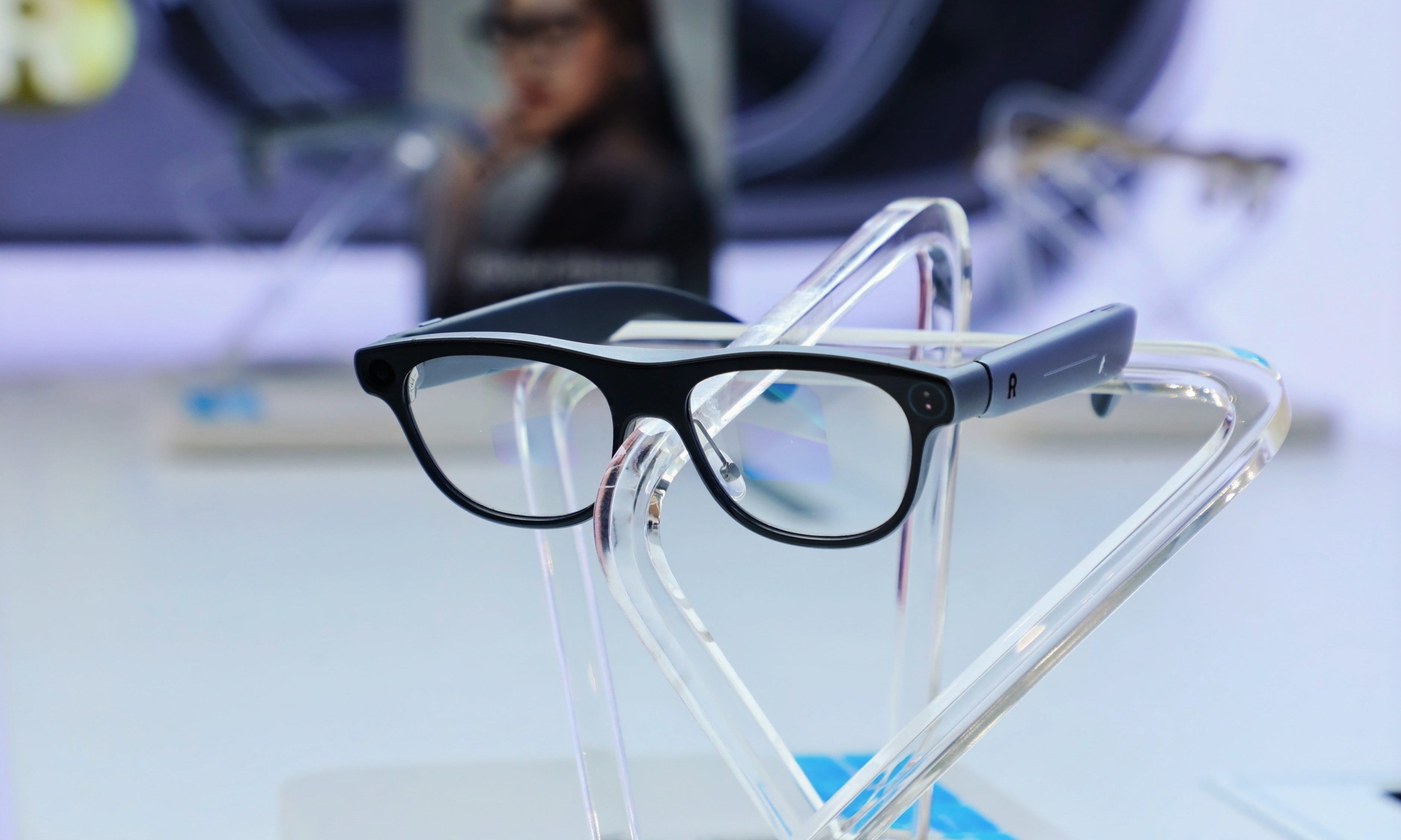
These are exactly the kinds of manufacturing problems Lens has spent decades learning to solve.
Its cooperation with Rokid spans frames, lenses, optical modules, and full-device assembly. Lens also invested in Rokid, giving the relationship a financial dimension as well as a manufacturing one. Rokid wants to ship one million pairs of AI glasses in 2026. Lens is not waiting for that market to mature before entering the supply chain. It is helping build the production system the market would need to scale.
The partnership shows how Lens can use an old capability to enter a new category. AI glasses may look like a consumer-electronics revolution, but one of their hardest industrial problems is still glass.
The company is applying the same logic to semiconductor packaging.
Lens announced an early-stage collaboration with Intel to develop through-glass-via, or TGV, substrates. These are not ordinary display panels. Glass substrates sit inside advanced chip packages, where they can support dense electrical connections while resisting the warping that becomes more serious as chips grow larger and hotter.
The technology remains early. Intel described the agreement as an effort to explore future opportunities, not a major commercial supply contract. It may take years before TGV contributes meaningful revenue.
But the market reaction was revealing. The possibility that an Apple-glass supplier could become part of the AI-chip supply chain was enough to change how investors viewed Lens.
Lens had not escaped glass. It had found a more valuable use for its oldest skill.
Build Beyond Glass
Selling glass to more industries could reduce Lens’s dependence on smartphones. But it could not eliminate the deeper vulnerability. A company that supplies only one type of component remains exposed, even if it serves more customers.
So Lens began adding capabilities it had struggled to build internally.
In 2020, the company agreed to pay RMB9.9 billion, or about $1.47 billion, for two mainland Chinese plants owned by Catcher Technology, a Taiwanese supplier known for metal casings. The acquisition gave Lens more experience in precision metal structures, device enclosures, and assembly.
The deal was meant to move Lens beyond its traditional role as a supplier of glass panels. A company that can manufacture glass, metal casings, and finished modules has more bargaining power than one selling only a single component.
But the acquisition did not appear to give Lens everything it wanted.
In 2026, the company went further by pursuing control of Hong Kong-listed Ju Teng International Holdings, a major manufacturer of notebook and handheld-device casings. Ju Teng has extensive experience in precision metal and plastic components and has claimed roughly 31% of the global notebook-casing market.
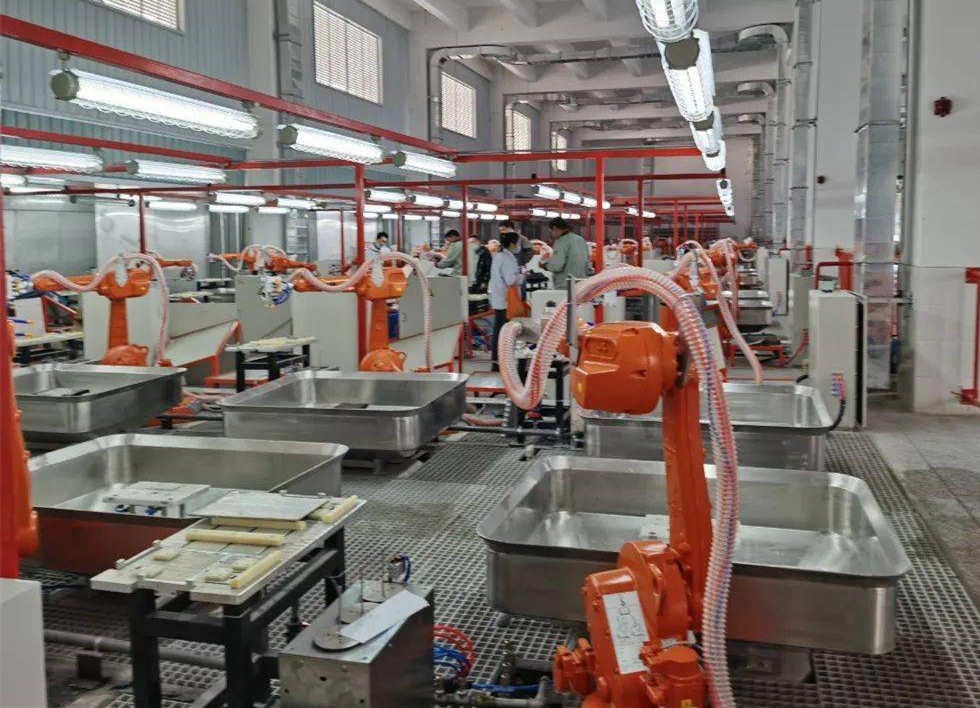
For Lens, the strategic value is clear. Ju Teng would add production capabilities the company has long wanted, while giving it more exposure to computers and handheld devices outside the traditional smartphone-glass business.
The timing also matters. PC makers are trying to create a new replacement cycle around the so-called AI PC. It is still unclear whether consumers will upgrade their laptops just to gain local AI features, but suppliers are already positioning themselves for that possibility.
Ju Teng’s existing notebook business alone may not be enough to transform Lens. Parts of the acquired operation may eventually need to be reorganized around higher-growth products. But the deal reflects a broader change in the company’s thinking.
Lens no longer wants to remain a specialist waiting for Apple, Tesla, or another large customer to place an order for glass. It wants to supply more of the device, control more manufacturing steps, and capture a larger share of the product’s value.
This is a conventional form of diversification, but it is also a necessary one. Glass gave Lens its position in the global supply chain. Metal structures, plastic enclosures, and complete assembly may give it more control over that position.
Invest In the Future
The third stage is more ambitious.
Lens is not expanding into unrelated businesses. It is following the direction of the hardware industry, moving from smartphones into the products investors and manufacturers believe could define the next decade.
That includes AI glasses, humanoid robots, AI servers, and advanced semiconductor packaging. In each case, Lens is trying to enter the supply chain before the market reaches mass production.
Robotics is the clearest example.
Lens began developing six-axis industrial robots for its own factories as early as 2016. At the time, robots were a way to automate manufacturing. Now Lens wants to manufacture components for the robots themselves.
Its product portfolio includes humanoid-robot structures, six-axis force sensors, precision components, and planetary roller screws. The company has also established a joint venture with AgiBot and invested in robotics companies including CASBOT.
Lens is not alone. As Unitree Robotics attracted attention with its humanoid machines, Chinese contract manufacturers rushed to find a place in the emerging supply chain. Unitree has kept much of its supplier network confidential, so manufacturers have looked for alternative customers. Lens has worked with companies including AgiBot, DEEP Robotics, and BrainCo.
The scale of its ambition became clearer at a robot race in Beijing. A humanoid developed with smartphone maker HONOR finished among the leading competitors. Lens later said it had supplied 132 metal structural components for the machine, covering key moving sections including the head, arms, hips, and legs.
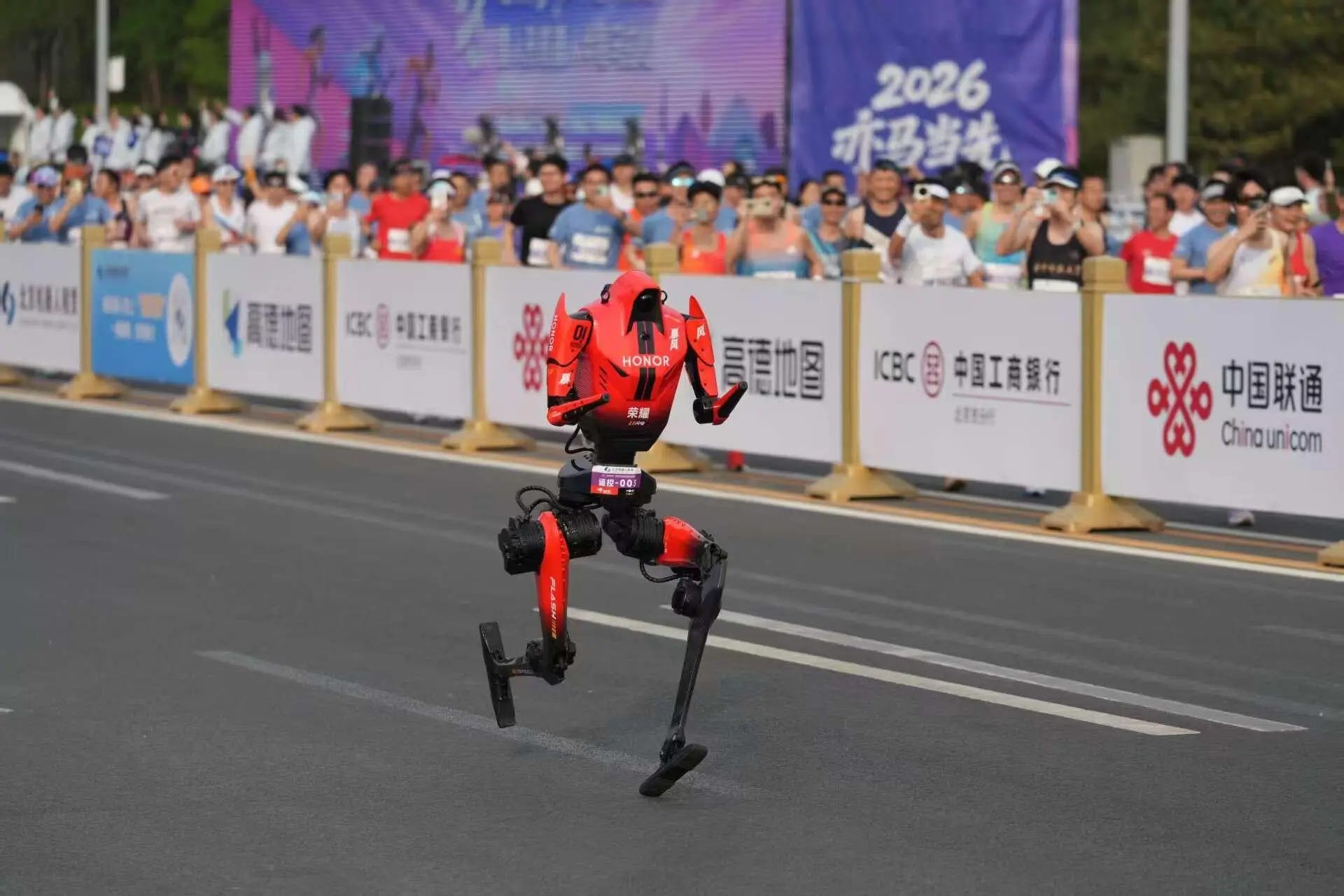
That number explains why contract manufacturers are interested in humanoid robots.
A successful robot is not one product or one component. It is a collection of motors, joints, sensors, frames, casings, and precision structures that must be manufactured repeatedly with low defect rates. A robotics startup may be able to design an impressive prototype. A supplier like Lens knows how to manage thousands of production steps and turn that prototype into large numbers of nearly identical machines.
Lens is therefore betting less on any single robot brand than on the industrialization of robotics itself.
The same pattern applies to its other investments. Lens has backed companies working on AI glasses, robotics, and intelligent hardware because those companies may become its future customers. The investment gives startups capital and manufacturing support. In return, Lens gains early access to product requirements, engineering problems, and potential orders
If those markets take off, Lens may earn twice: once from the equity investment and again from manufacturing.
That is what “following industrial upgrading” means for a company like Lens. It does not need to invent the next consumer platform by itself. It needs to identify where the hardware industry is moving, invest early enough to understand the new production requirements, and make itself difficult to replace once demand arrives.
Lens’s transformation is therefore not a clean break from contract manufacturing. It is an attempt to turn contract manufacturing into something more strategic.
The company is still making parts for other people’s products. The difference is that it increasingly wants to choose which products are built, invest in the companies developing them, and control more of the manufacturing knowledge behind them.
Lens is also building an investment portfolio around this strategy.
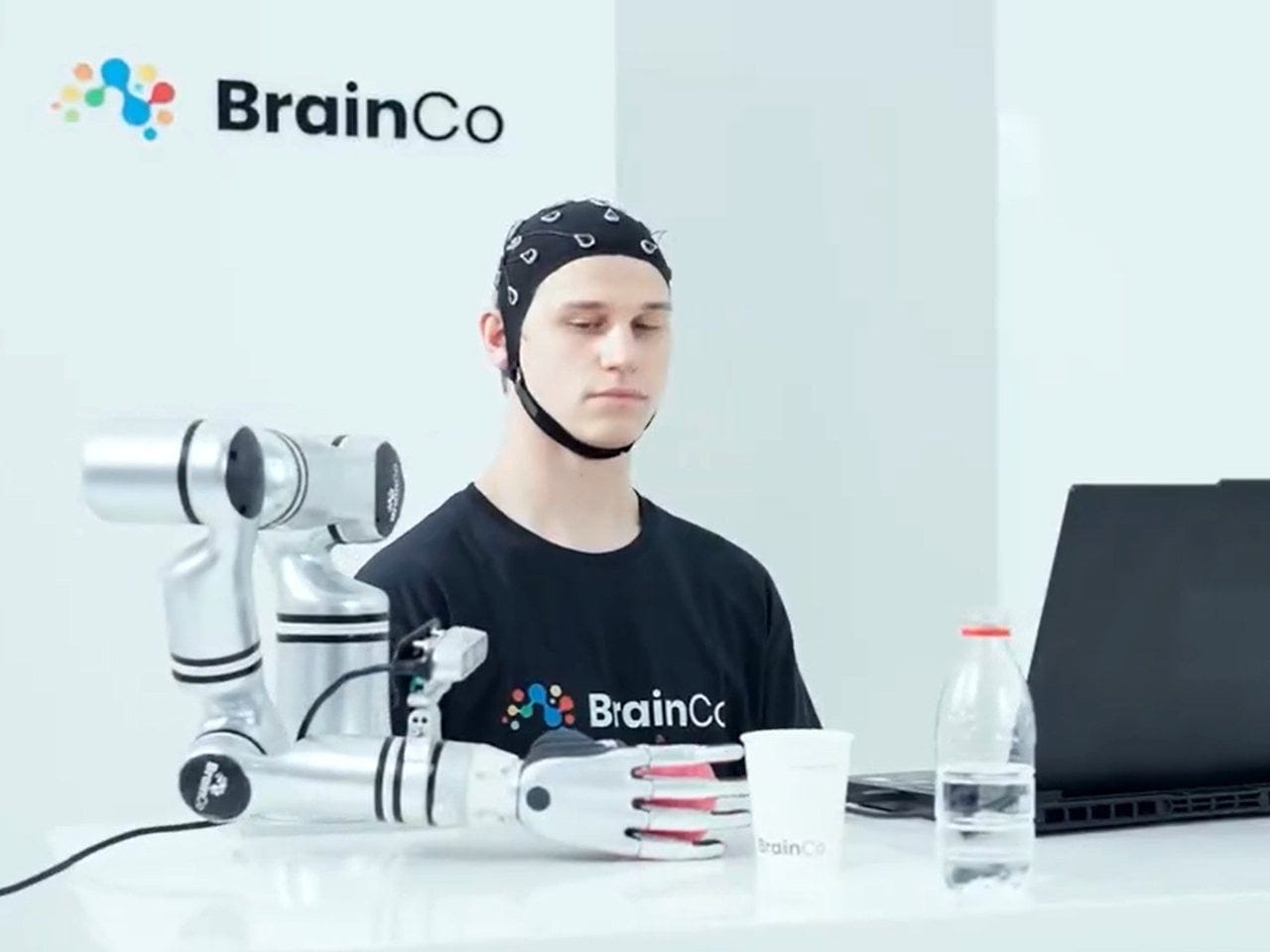
Zhou invests through both the listed company and her own vehicles. One of her personal firms, Qunxin Investment, is reported to be nearly 98% owned by her and to have made at least 17 outside investments. Lens itself has backed AI and robotics companies including BrainCo, GALAXEA, and Pudu Robotics, along with other companies that could eventually buy its components or manufacturing services.
This is not venture capital in the Silicon Valley sense. Lens is not simply searching for the startup with the highest financial return. It is trying to position itself inside emerging supply chains before those supply chains become stable.
The investment gives a startup money. The startup gives Lens early access to product requirements, engineering problems, and future orders. If the market takes off, Lens may earn twice: once from its equity stake and again from manufacturing.
That model turns a contract supplier into something closer to an industrial market maker.
It also changes how investors should judge the company. In the past, the easiest way to value Lens was to watch Apple’s iPhone shipments, Tesla’s deliveries, and the utilization rate of Lens’s factories. Those indicators still matter. The mature manufacturing business pays the bills.
But investors are now being asked to price a portfolio of possibilities: AI glasses, humanoid robots, advanced chip packaging, and whatever device comes after the smartphone.
Repricing China’s Factory Floor
For decades, Chinese suppliers were rewarded for reliability, speed, and low cost. They were essential but mostly invisible: the company behind the logo, not the company whose name appeared on the product.
That model created enormous businesses. But it left control with the customer. Apple decided when the next phone arrived. Tesla decided how many parts it needed. The supplier carried the factories, workers, and capital spending required to respond.
Now some of those manufacturers want a different role.
They are following Western technology trends into electric vehicles, AI servers, robots, and wearable devices. But the most ambitious ones are doing more than following. They are investing in customers, shaping production methods, and trying to secure a place before the market fully exists.
This resembles the version of German industry that Chinese policymakers and entrepreneurs have long admired: specialized companies that may not own the consumer brand, but control a difficult process or component the world cannot easily replace.

Lens has not yet reached that position. Many of its new bets remain small, early, or speculative. AI glasses may take longer than expected to reach mass adoption. Humanoid robots may remain expensive demonstrations. Intel’s glass-substrate effort may not become a large business for years. Ju Teng’s traditional notebook-casing business may need to be restructured rather than simply absorbed.
And the old dependencies have not disappeared. Apple and Tesla remain important customers. A weak product cycle can still damage Lens’s earnings long before a robot component or glass substrate produces meaningful revenue.
That is also where the pressure on Lens Technology’s valuation comes from.
For years, the company was priced as a consumer-electronics supplier. Now parts of its valuation depend on robotics and TGV glass substrates, businesses that are still being valued mostly on future expectations.
In China’s stock market, excitement around a new theme can become crowded long before the underlying business produces meaningful revenue.
Lens may not know whether its TGV business is ready for mass production until the second half of 2028 or early 2029. Its robotics manufacturing business is also still hard to forecast over the next three years. Investors will therefore be watching closely to see whether Lens can turn these new stories into actual earnings.
The problem is that its core business still depends heavily on global smartphone sales. In China, the uncomfortable period when mature businesses are slowing but new businesses are not yet profitable is often described as the “transition between old and new growth drivers.”
For Lens, that transition is likely to hurt. Still, the direction matters.
Chinese manufacturing companies are no longer satisfied with being described as low-margin factories. Their production knowledge has become a form of technology, and some now have enough capital to invest in the next wave of products instead of waiting for orders to arrive.
Zhou’s career began with glass for watches. It moved to Motorola phones, then the iPhone, electric vehicles, AI glasses, robots, and perhaps advanced chips. The material stayed surprisingly constant. The company around it did not.
At the Beijing banquet, Zhou sat between Musk and Cook because Lens had spent decades serving companies like theirs.
The next stage of her project is to make sure that, at the next seating chart, she is not there merely as somebody else’s supplier.
