



Hi friends,
Hope you’re doing well, no matter what’s been going on this week
This week is mostly a story about growth, just not all the same kind. BYD is chasing growth overseas, now that its home market has turned into a price war that eats its own margins. XPeng just brought its robot production line online, betting a second business can eventually outgrow the first. DeepSeek is growing its headcount to keep its own infrastructure from buckling under demand. And Xiaomi is growing upmarket, putting its own chips into a phone that can finally go head-to-head with Apple and Huawei on price.
Four different kinds of expansion, one question underneath: does growing faster actually make any of these companies stronger, or just bigger?
Anyway, let’s take a look.
This Week Features...
BYD Won China. Now It Has to Back It Up Overseas.
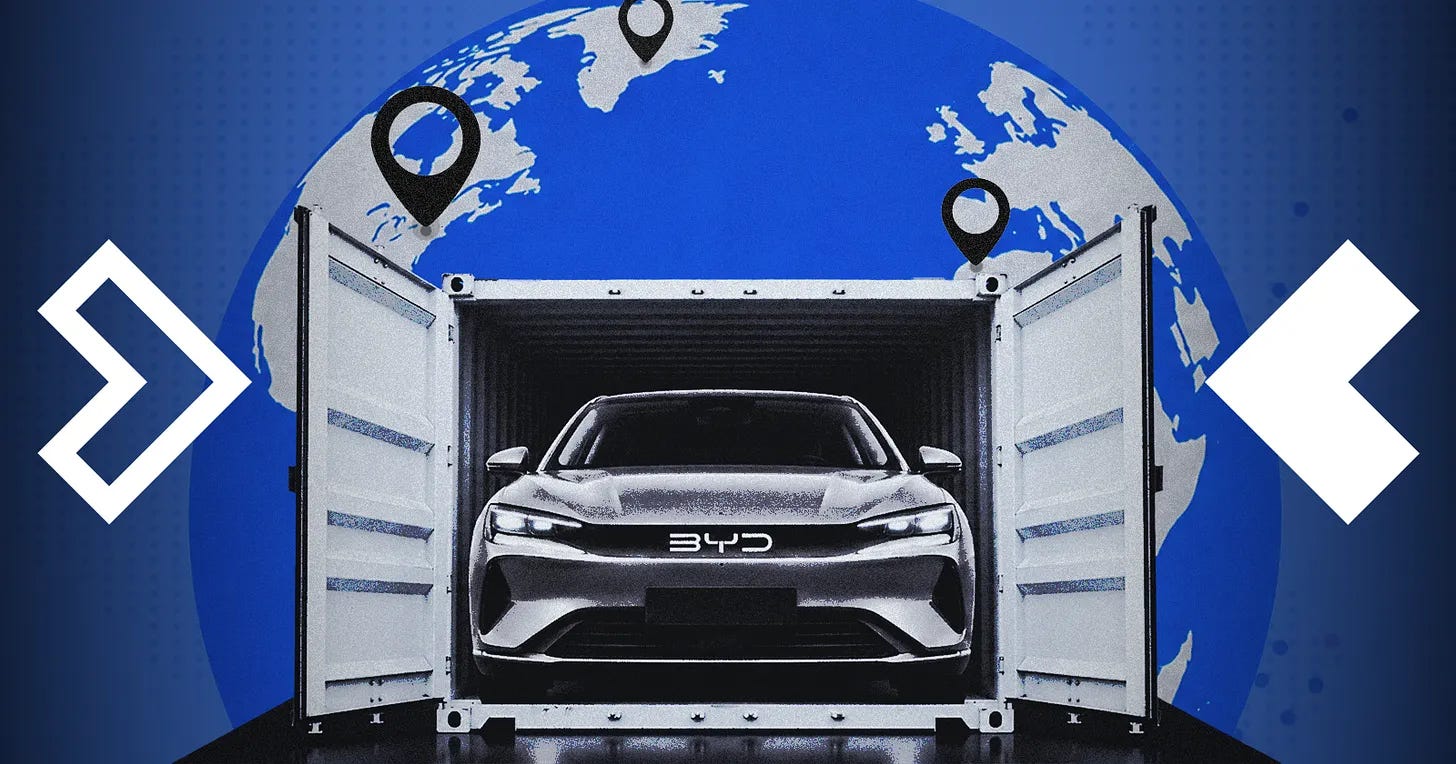
On July 28, BYD launched a tiny electric kei-car in Japan, one of the hardest markets on earth for any foreign automaker to crack, a market Tesla has never managed to build real volume in. BYD gave itself two weeks to hit 1,000 orders. It got there in the same span, the fastest order ramp any BYD model has ever had in Japan.
That’s an awkward result for a company still routinely dismissed online as a subsidy-fed accounting trick. You can question BYD’s subsidies, its sales data, its debt, those are fair questions. But eventually you have to explain the cars: a factory built in Thailand in 16 months, Brazil’s president driving one, second place in Australia behind only Toyota. This piece treats BYD crossing 50% overseas revenue for the first time as six separate tests of whether a genuinely global Chinese automaker is actually being built, market by market.
Bill Gates Has a Plan for AI’s Future. What About Its Present?
Bill Gates recently published a 6,000-word essay warning that AI could become either humanity’s greatest equalizer or its worst source of injustice, and proposed new global institutions and taxes on AI tokens and robots to manage the transition.
The diagnosis, this piece argues, starts too far in the future. Klarna and Meta didn’t lose jobs to AI, they lost them to executives who cut too fast and had to rehire humans to clean up the mess. AI-designed viruses sound terrifying until you notice how much lab work, money, and human expertise still stand between a generated gene sequence and an actual pathogen. Before regulating an imagined autonomous machine, this piece asks, why not start with the companies, financiers, and executives making today’s decisions?

The News…
(I) Xiaomi Is Putting Its Own Silicon at the Center of the Flagship Fight
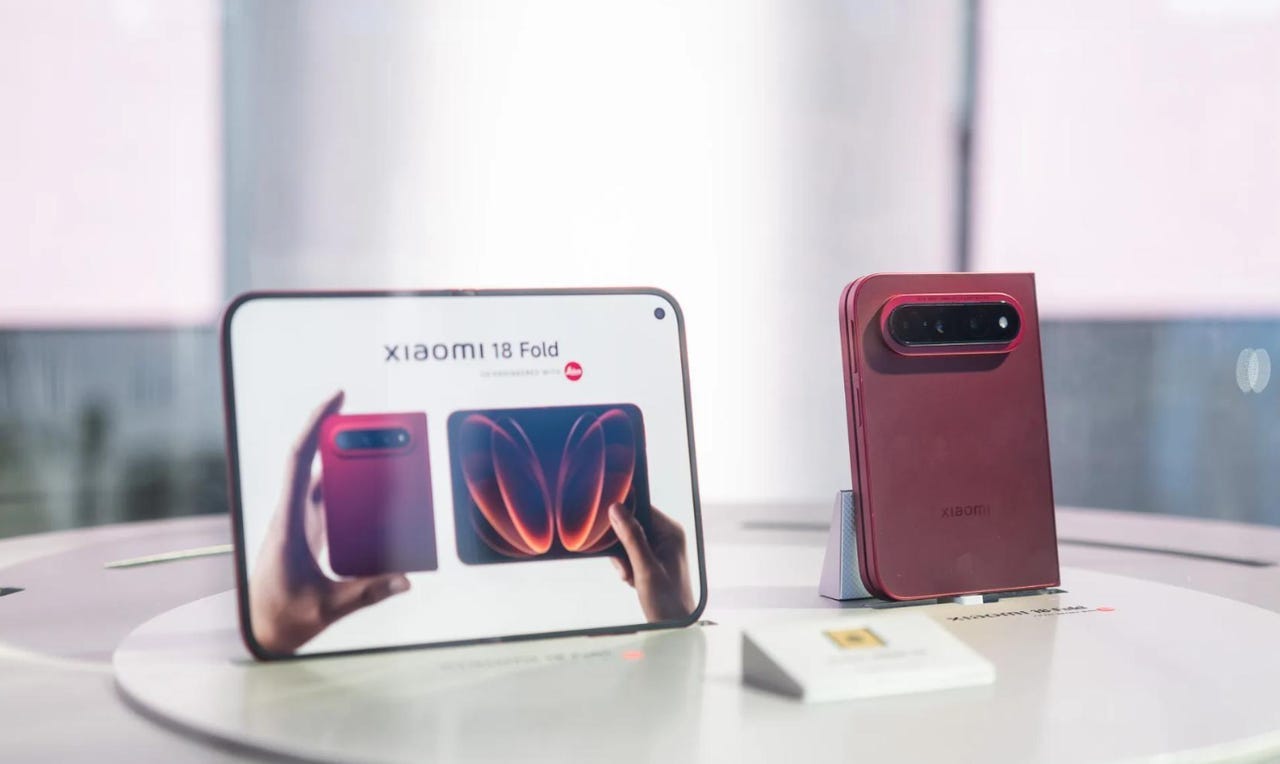
Xiaomi unveiled the Xiaomi 18 Fold this week, a premium foldable built around its own Xring O3 chip and CXMT’s LPDDR6 memory, the same LPDDR6 that CXMT rushed into mass production just weeks ago. The O3 packs 24 billion transistors, 26% more than last year’s Xring O1, with CPU performance up 60% and power consumption down 25% on some tasks. The phone starts at RMB 10,999 ($1,639), pushing Xiaomi further into the same premium bracket as Apple and Huawei.
Xiaomi is still nowhere near Apple’s level of vertical integration, but the direction is clear: design your own processor, source your own memory, and keep climbing the price ladder on hardware you actually control. Coming right after CXMT’s LPDDR6 launch, this is the first real evidence that the chip-memory pairing isn’t just a press release, it’s shipping in a flagship phone at scale.
(II) DeepSeek’s Hiring Spree Is About Plumbing, Not PhDs
DeepSeek is opening around 150 new positions, what Harness team lead Cui Tianyi called an “unprecedented” hiring push, but the mix is telling: most of the roles are for backend engineers and Agent infrastructure, not AI researchers.
The company’s systems have simply outgrown themselves. Machines, containers, training and evaluation jobs, Agent environments, and user requests are all climbing fast enough to strain the backend DeepSeek already has, and the timing lines up: this comes right after new V4 models, new Harness developer tools, and API price hikes of up to 11x. Scaling the model was the easy part. Scaling everything underneath it is now DeepSeek’s actual bottleneck.
(III) XPeng’s Robot Production Line Goes Live
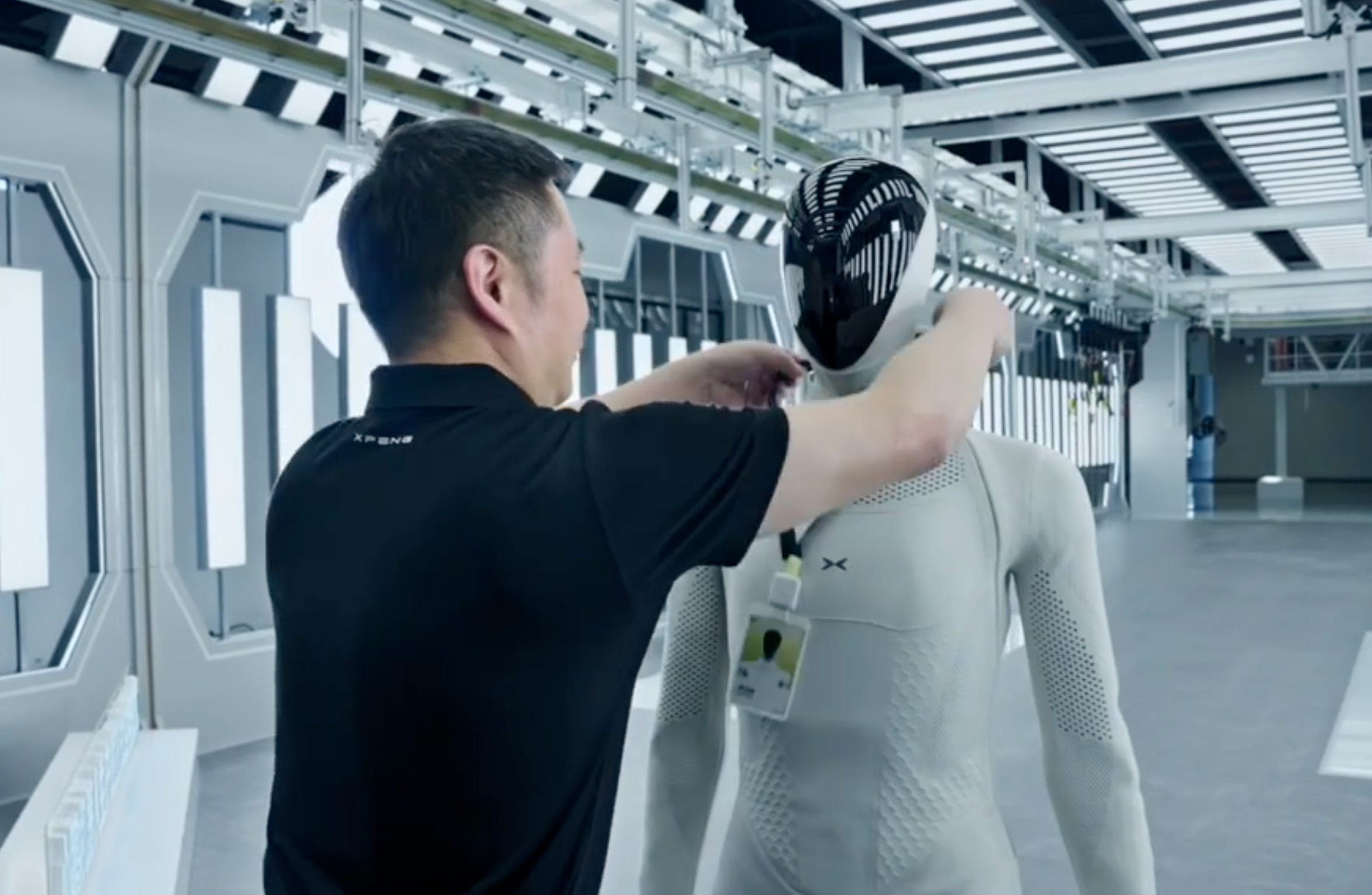
XPeng CEO He Xiaopeng announced the company’s robot production line is officially running, with mass production planned for late December and deliveries starting next year. He specifically flagged safety, intelligence, reliability, quality, and generalization as the bars still to clear, an unusually cautious list for a company that just closed a $900 million funding round for the unit.
China’s humanoid robot race keeps adding entrants with real capital behind them, and XPeng’s timeline puts it on a similar clock to peers like Unitree. Whether “production line live” translates into robots that can actually do useful work at volume is still the question every company in this space is racing to answer first.
(IV) Apple’s Foldable iPhone Supply Chain Is Already Being Speculated Into Existence
As Apple gets closer to entering the foldable-phone market, Chinese suppliers are already being pulled into the surrounding speculation.
Yicai contacted eight companies linked by market rumors to Apple’s first foldable iPhone. Some acknowledged ongoing work on components such as ultrathin glass, hinges, metal parts, and other materials for major customers, while several declined to comment and one explicitly denied supplying parts for a foldable device.
That uncertainty is revealing in itself.
Apple’s supply chain is large enough that suppliers can be preparing for a major product long before the final device is officially acknowledged. It also shows how much of the foldable-phone manufacturing ecosystem already sits inside China, even though the final product will carry an Apple logo.
For companies such as Xiaomi and Huawei, this is also a timing issue. Chinese manufacturers are already launching new foldables while Apple is still approaching the category.
By the time Apple arrives, the supply chain may already have spent years learning how to build them at scale.
(V) DeepSeek Is Simplifying Its Models Just as Its Infrastructure Gets More Complicated
DeepSeek is quietly reshaping how users access its latest models.
The company has combined its Fast, Expert, and Image Recognition modes into a simpler interface and plans to introduce V4.1 Flash with native multimodal capabilities around September 10. Meanwhile, V4 Pro service is scheduled to end on September 14, with requests automatically routed to V4.1 Flash.
The changes look minor from a user’s perspective, but they reveal a more important trend.
As AI products mature, users increasingly care less about which internal model is handling a request and more about whether the system simply works. DeepSeek is effectively hiding some of the complexity behind a single service while moving users onto a new backend architecture.
That becomes especially important as the company scales its Agent and multimodal capabilities.
The AI industry spent the last two years adding models.
It may now be entering the phase of taking them away from users’ view.
(VI) ByteDance’s Next VR Bet Is a Model, Not a Headset
ByteDance is preparing a Seedance-based spatial-video model for Pico as soon as next month, with founder Zhang Yiming personally overseeing the project, according to Bloomberg. The model is meant to generate interactive 3D worlds that respond to a user’s voice and movement, reportedly hitting 20fps with just 0.05 seconds of latency.
If cloud-based generation can genuinely lower the hardware requirements for a headset, it shifts the VR competition with Google, Meta, and Apple away from who builds the best physical device and toward who has the best model, the most compute, and the most content to generate on demand.
(VII) China’s Brain Implant Makers Start Lining Up for IPOs
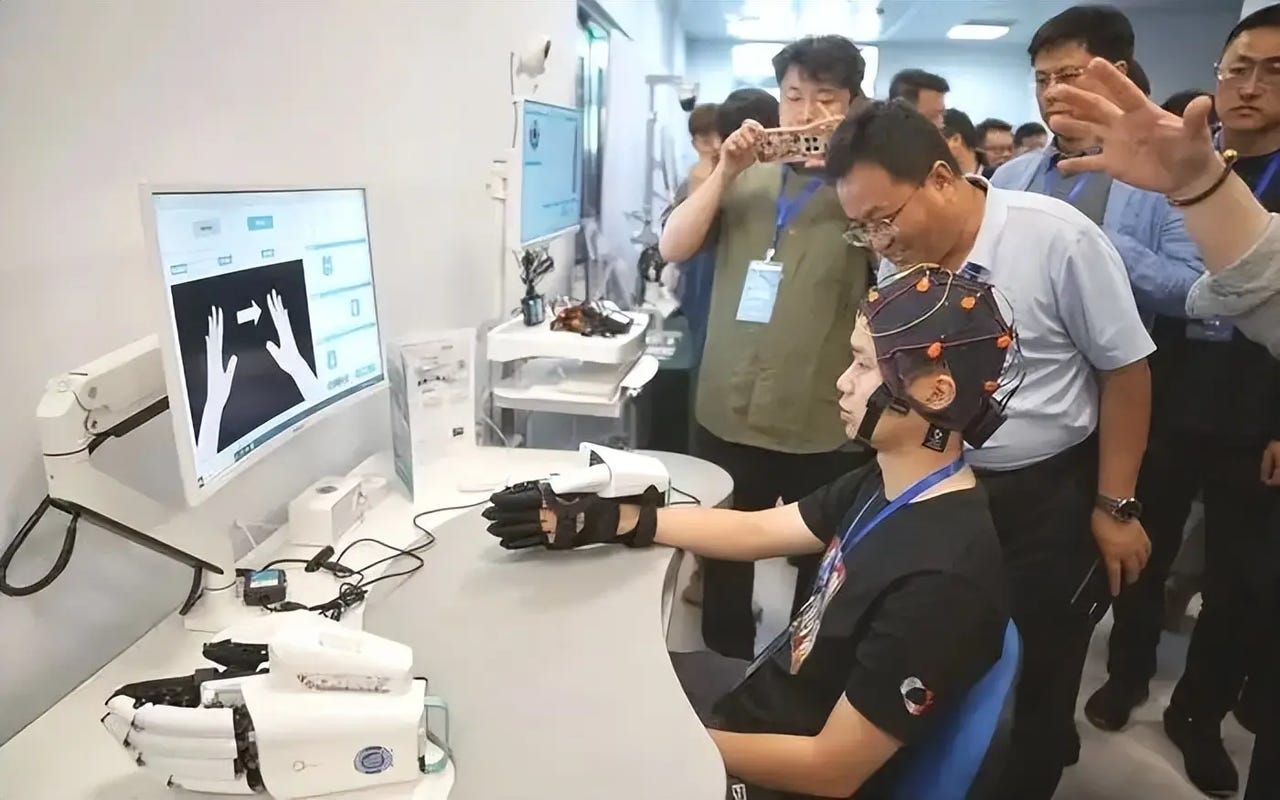
Chinese BCI companies are starting to move from private funding toward public listings, with Shanghai’s STAR Market emerging as the preferred venue. Shanghai-based Arfysica Innovation, founded in 2015 and focused on BCI products for central nervous system injuries and cognitive disorders, has registered for IPO coaching. Neuracle Medical Technology, the company behind NEO, the implant that beat Neuralink to the world’s first approved commercial invasive BCI, has signed its own coaching agreement with CITIC Securities.
This is the natural next step for an industry that, just a couple months ago, was mostly a story about regulatory speed. Getting a device approved is one milestone. Getting a company to a public listing is the one that actually tests whether the underlying business, not just the technology, can stand on its own.
(VIII) Pony.ai Thinks Robotaxis Are Nearly Ready. The Financials Are Less Convincing.
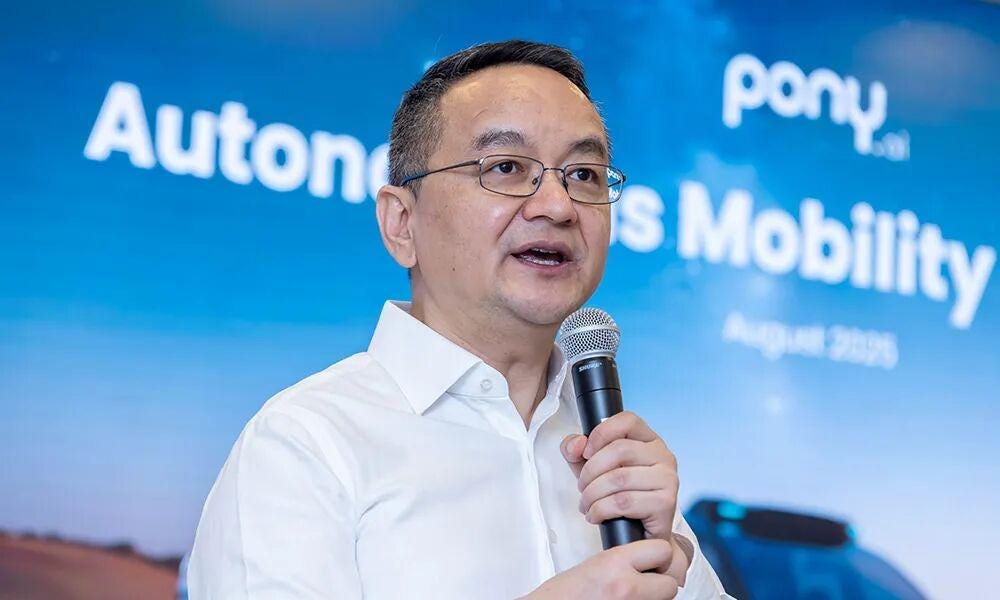
Pony.ai CEO James Peng believes robotaxis will become commonplace around the world within five years, arguing that most of the major technical obstacles have already been solved.
The company certainly has plans that match the ambition. It expects to deploy more than 2,000 robotaxis in Europe with Uber and another 200 in South Korea by 2028, while its current vehicles average around 25 trips per day.
Revenue is moving in the right direction too. Robotaxi revenue surged almost sevenfold in the second quarter to $12.1 million.
But the business is still far from self-sustaining. Pony.ai posted a companywide operating loss of $65.7 million during the quarter.
That gap captures the current state of autonomous driving better than another technical demonstration might.
The technology is becoming commercially useful.
The economics still have to catch up.
(IX) Kimi Is Taking Its AI Agents Into the Customer’s Office
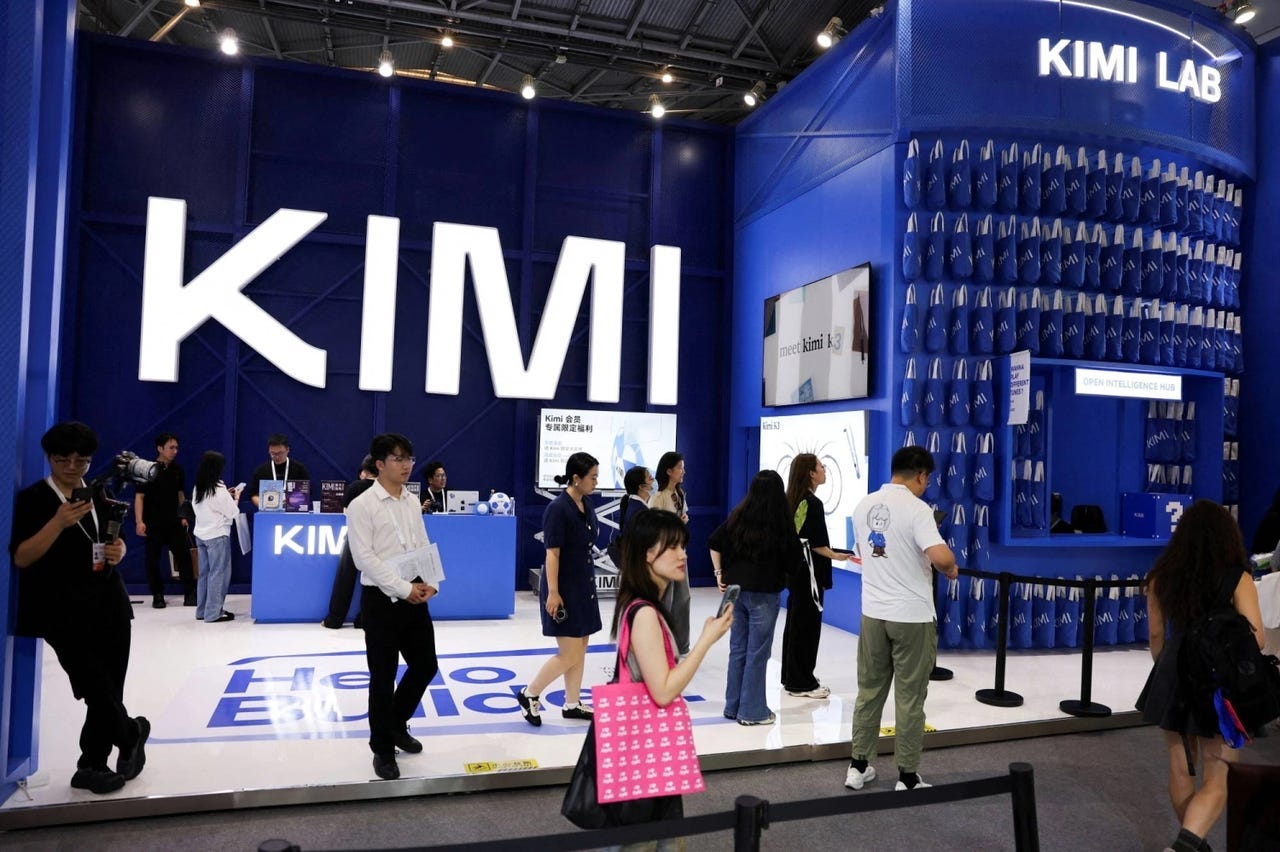
Moonshot AI is moving beyond selling Kimi as a model and into a much more hands-on enterprise strategy.
Its new enterprise partner program will work with IT service providers and system integrators to build forward-deployed engineering teams that work directly with customers. These engineers will integrate Kimi into existing systems, adapt it to specific business processes, and feed the problems they encounter back into product development.
It is an expensive way to sell AI, but potentially a powerful one.
Enterprise customers rarely want a chatbot sitting next to their existing software. They want AI embedded inside the workflows they already depend on, which often means someone has to do the messy integration work first.
That makes the FDE model interesting.
The model company is no longer just selling intelligence.
It is sending engineers into the customer’s business to turn that intelligence into something useful.
(X) Moonshot AI Quietly Files for a Hong Kong IPO
Moonshot AI, the company behind Kimi, has confidentially filed an A1 form with the Hong Kong Stock Exchange, officially kicking off its IPO process, while simultaneously raising what’s likely its final pre-IPO round at a $50 billion pre-money valuation. That’s roughly eight times where the company stood less than a year ago: Kimi was valued at about $4.3 billion at the end of 2025, above $20 billion by this May, and $35 billion post-money after a July round that followed the launch of its K3 model. DeepSeek, still privately held, is widely expected to list sometime in the first half of next year.