


Hi friends,
This week was a reminder that getting a product built is only the first test. The harder test is whether it holds up under real-world conditions.
A Huawei-backed luxury minivan became the center of a national argument after its brake pedal brackets snapped during a public test. The debate quickly moved beyond the car itself, touching on brand loyalty, censorship, and a more uncomfortable question facing China’s auto industry: are manufacturers moving so fast, and cutting costs so aggressively, that product quality is becoming harder to guarantee?
Huawei faces a different test overseas. After building a substantial HarmonyOS ecosystem at home, it now wants to take that system into markets where consumers already have Android, Google, and Apple. Building an alternative out of necessity is one thing. Convincing people to choose it when they have other options is another.
The same test is playing out across China’s tech industry, though in different forms. Chinese automakers are pushing deeper into overseas markets, and DeepSeek is bringing its tools closer to everyday users. Each faces a different question: not just whether the technology works, but whether it can scale, compete, and win users’ trust.
Anyway, let’s take a look.
Weekly News...
(I) Huawei Says Ascend Has Overtaken Nvidia in China. Capacity Is Another Matter
Huawei says its Ascend AI chips have overtaken Nvidia in China, although the company has not disclosed its exact market share. Bernstein estimates that Huawei could capture around 50% of the Chinese AI-chip market this year, compared with just 8% for Nvidia — a dramatic reversal from Nvidia CEO Jensen Huang’s estimate that his company once held roughly 95% of the market.
The constraint now, according to Huawei rotating chairman Eric Xu, is not chip design but manufacturing technology and supply. Huawei is compensating by connecting large numbers of accelerators into systems it calls SuperPoDs, but it still cannot meet domestic demand and has no plans for a major overseas push. DeepSeek reportedly plans to deploy at least 160,000 Ascend 950DT chips at a data center in Inner Mongolia.
Huawei may be gaining market share faster than expected, but market share and available compute are two different things. The next challenge is producing enough chips to turn that position into a durable advantage.
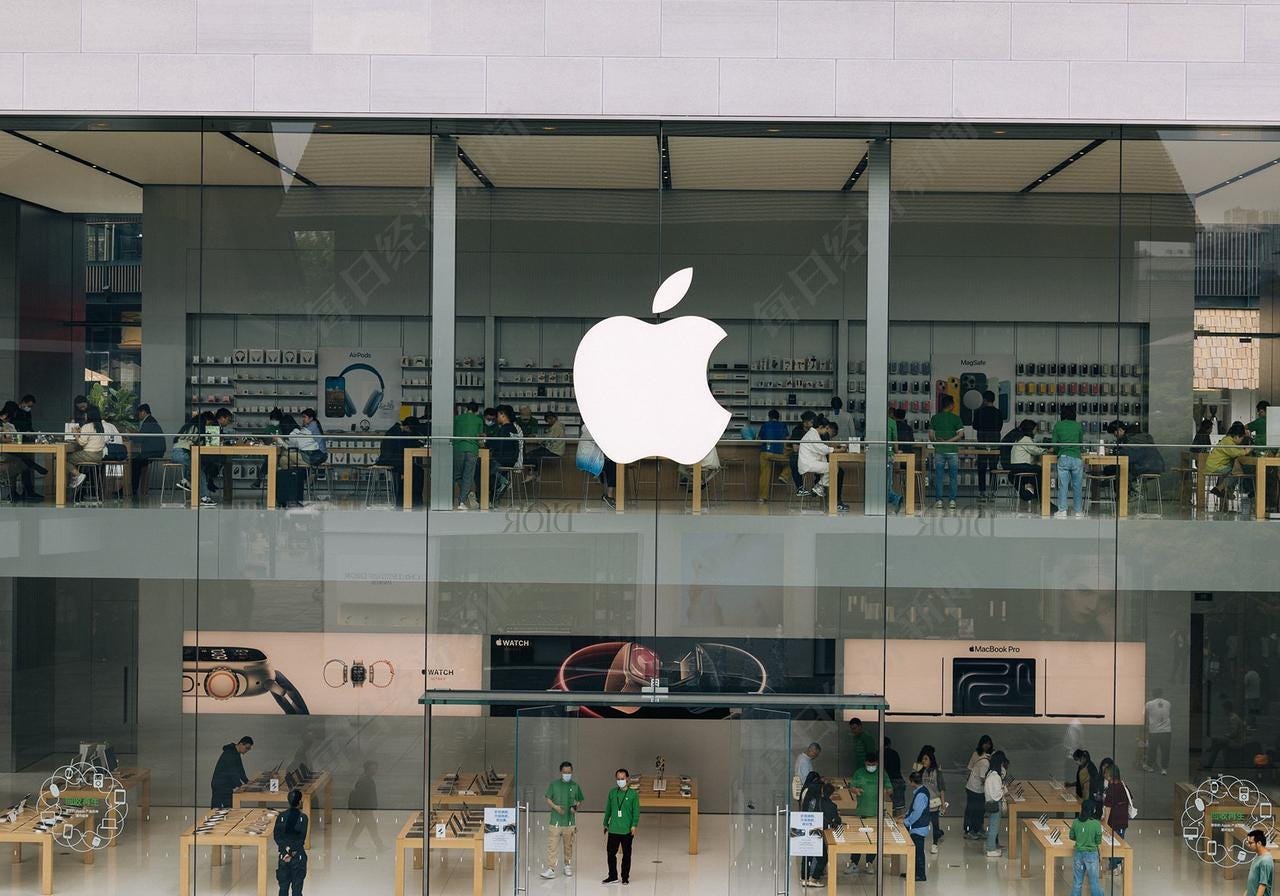
(II) China’s App Economy Is Growing Overseas, Even If Apple Doesn’t Collect on Every Sale
Apple says China’s App Store ecosystem generated RMB 4 trillion ($560 billion) in billings and sales in 2025, more than double its 2020 level.
Overseas markets are becoming more important to Chinese developers. They accounted for 52% of developers’ App Store earnings in 2025, up from 32% in 2020, with revenue from overseas users reaching RMB 99.4 billion ($14.8 billion), or 2.6 times the 2020 figure.
Most of the ecosystem’s total came from physical goods and services, including retail, food delivery, travel and ride-hailing, which generally do not generate App Store commissions.
Chinese apps are also reaching more users abroad: 76% of Chinese developers were active in overseas markets last year, while overseas downloads rose from 2.1 billion in 2020 to 3.8 billion.
For Chinese developers, overseas markets are becoming an increasingly important source of revenue.
(III) BYD Is Exploring a Bigger Role in Argentina
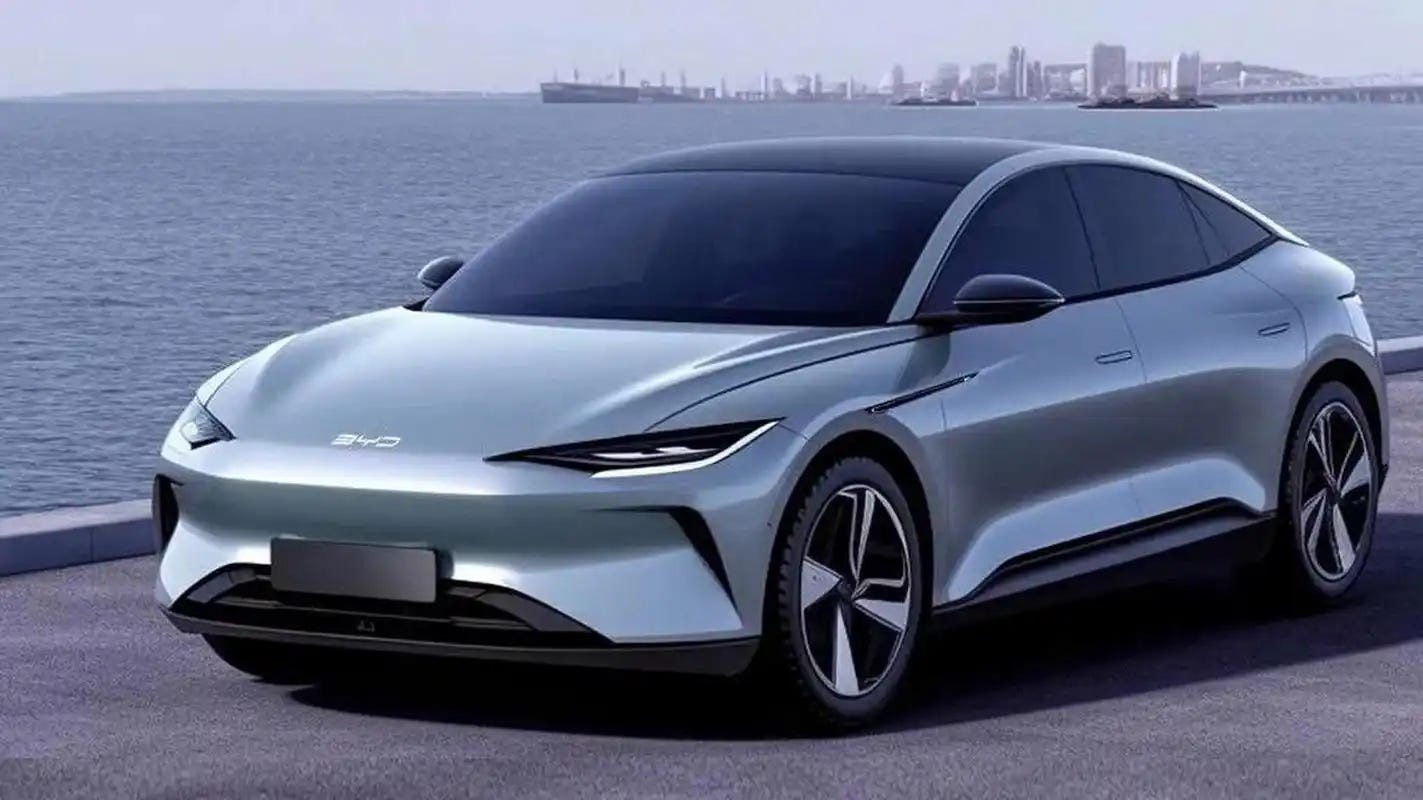
BYD registered 1,389 vehicles in Argentina in August, up 38% from July and enough to rank ninth among automakers. The company is also exploring local investment in batteries and energy storage, according to Argentina’s foreign minister, though no project details have been announced.
For Chinese automakers, overseas expansion could increasingly mean building parts of the supply chain abroad, not just shipping finished cars.
(IV) Huawei and Qualcomm Signed a Patent Deal. The Bigger Claims Aren’t Confirmed
Huawei and Qualcomm announced an agreement covering 5G, computing, AI and networking on October 5—their first patent licensing deal encompassing 5G.
Reports linking it to Huawei’s LogicFolding and near-packaged optics technologies were subsequently revised or removed.
Qualcomm denied being the net payer and rejected claims that the deal relates to LogicFolding. The available statements do not establish licensing of LogicFolding or related peripheral technologies.
(V) DeepSeek Is Turning Harness Into a More Accessible Desktop Product
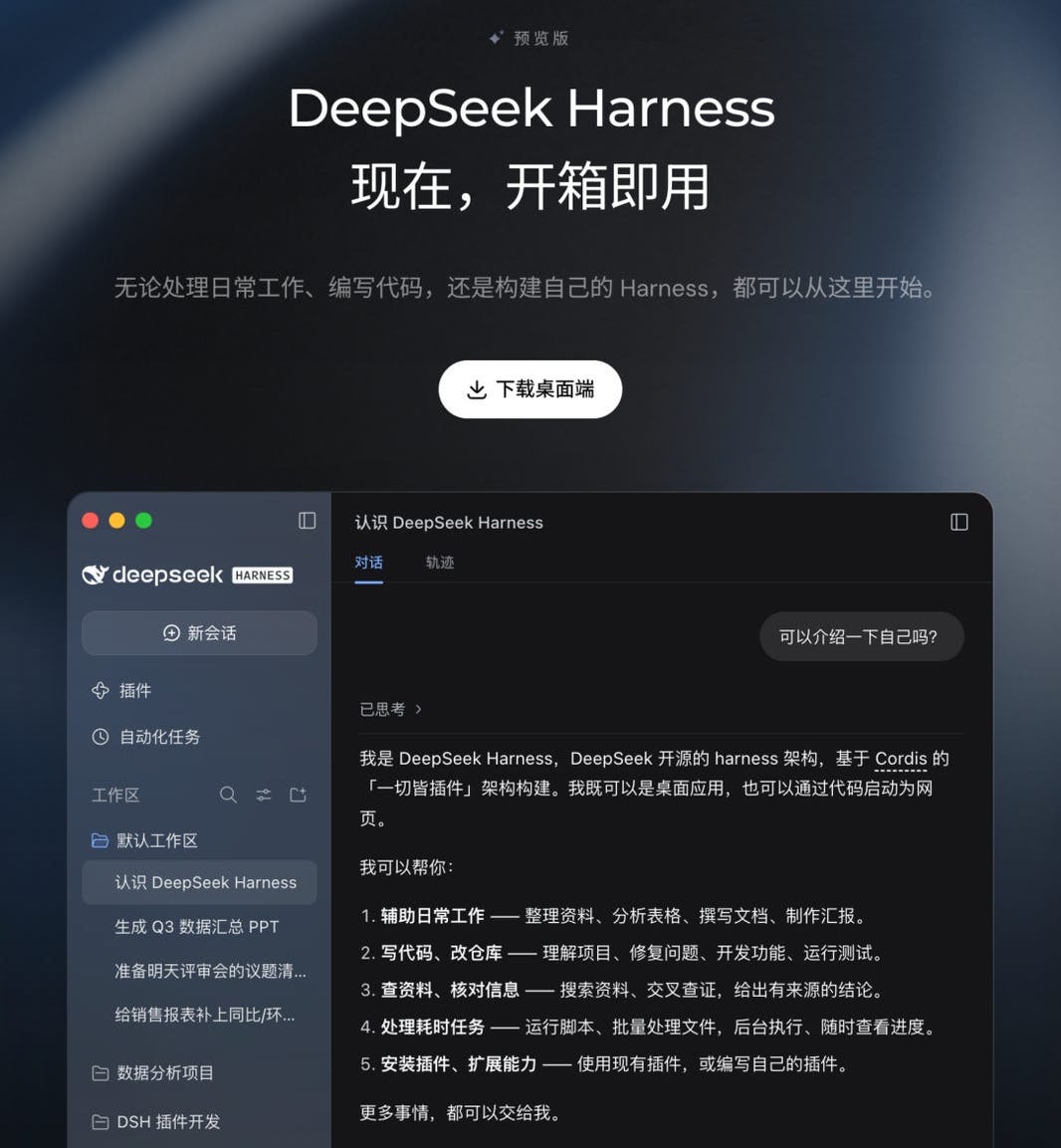
DeepSeek has released Harness v0.2 Preview with ready-to-install macOS and Windows desktop apps, guided setup and built-in tools for everyday office work and development.
The update adds a plugin installation and management page, plus more configuration options for customizing capabilities.
DeepSeek says the product is still early and needs further refinement. Download it at
(VI) Chinese Automakers Are Gaining Ground in Europe. Europe Is Responding
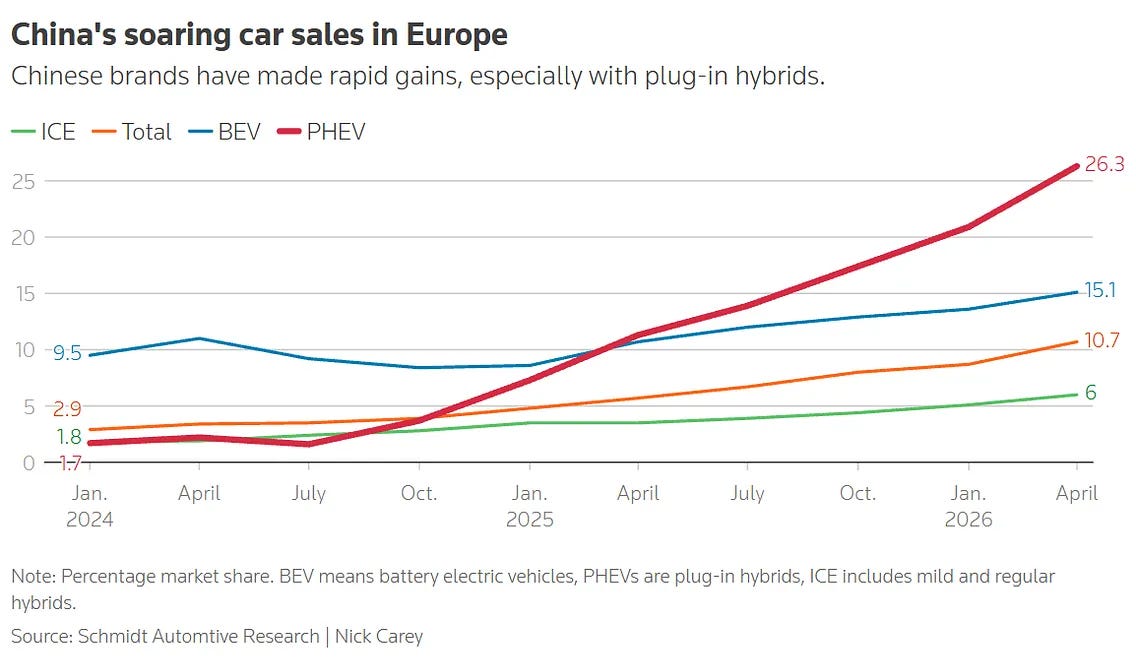
Twenty Chinese automotive brands, including BYD, Chery, and Avatr, are expected at the Paris Motor Show, double the number that attended in 2024. Their expanding presence reflects a much broader change in the European market: Chinese brands accounted for 10.7% of the market in the second quarter, up from 5.7% a year earlier.
Plug-in hybrids are adding to the pressure. Imports into the EU rose 86% in the 12 months through September as prices fell around 20%, with more than half of those vehicles coming from China. A reported China-EU agreement could reduce Chinese hybrid exports to Europe by more than half over the next four years.
The tension is becoming harder to avoid. European consumers are responding to competitively priced vehicles, but that same success is intensifying pressure on local manufacturers and policymakers concerned about industrial employment.
The next stage of the EV trade dispute will be about more than tariffs. It will test how much competition Europe is willing to accept, and how much protection its automakers will demand.
(VII) DeepSeek’s Compressed Memory Has a Hidden Weak Spot
A preprint from a Seed research team has identified a potential weakness in DeepSeek V4 and V4.1-Flash: information can become harder to retrieve depending on where it sits within compressed KV-cache blocks.
KV-cache compression helps reduce the memory and attention costs of serving long-context models, an important advantage when inference demand is growing. But the researchers found that retrieval accuracy could vary by as much as 40 percentage points depending on the information’s position within the compressed structure.
The finding does not explain every reported glitch in DeepSeek’s models, and it concerns retrieval rather than overall model quality. Still, it highlights a problem with relying too heavily on average benchmark scores: a model can perform well overall while remaining unreliable under particular conditions.
As AI systems take on longer tasks and process more information, how consistently they retrieve the right information may matter just as much as how much context they can technically accept.

(VIII) Manus Has Raised More Than $500 Million as It Rebuilds Its China Business
Manus parent company Butterfly Effect has announced a funding round of more than $500 million, led by Boyu Capital and IDG, with Tencent, HSG and ZhenFund also participating. A reported $4 billion valuation has not been confirmed. The company has also launched Manus v2.0 and its personal agent Cue, while building a China-focused team and partnerships with domestic model developers.
Manus is trying to turn its overseas momentum into a broader business, but rebuilding in China will require more than bringing the product home.
(IX) Washington Is Moving to Restrict Who Can Certify Electronics for the US Market
The FCC will vote on October 29 on a proposal to bar Chinese laboratories from testing and certifying electronics for the US market, extending restrictions beyond government-linked facilities. If adopted, the ban would take effect in December 2028. FCC Chair Brendan Carr says 82% of electronics were tested in China in 2025, compared with less than 4% in the US.
The proposal would do more than target Chinese labs: it would force electronics companies to rethink a testing infrastructure built around China.
Weekly Articles...
Why a Failed Brake Test Became a National Fight Over Huawei
Three Maextro V800 minivans, three broken brake pedal brackets, and a test video that disappeared from major platforms. What began as a vehicle-safety controversy quickly became another national argument over Huawei, with supporters questioning the test and critics questioning why scrutiny of the company so often becomes contentious.
But the more important story may be the industry behind the controversy. China’s automakers are launching new models at extraordinary speed while competing in a market where relentless price cuts leave suppliers and manufacturers under pressure to reduce costs. Engineers interviewed for this piece describe shorter testing cycles and cheaper components entering production much earlier than they once did.
The question is not simply whether one car passed or failed one test. It is whether an industry built around speed and aggressive pricing can maintain the safety margins that mass-market vehicles require.
This week’s feature examines the V800 controversy and the broader debate over China’s “speed-built cars” — and what happens when the pressure to launch the next model begins to compete with the need to get the details right.

Huawei Wants to Take HarmonyOS Global. But What Exactly Is It Exporting?
Huawei has built a serious alternative to Android in China, with more than 90 million phones, PCs, and tablets running HarmonyOS 6 or 7 and a developer ecosystem numbering in the millions. But its overseas smartphone sales remain small, and the global market is a very different proposition: consumers already have Google services, familiar apps, and little reason to switch.
Huawei may therefore need a broader entry point. Smartwatches, earbuds, PCs, connected homes, and automotive partnerships could introduce consumers to its products without asking them to abandon their existing phones immediately.
The challenge is turning those separate encounters into a genuinely connected ecosystem. A Huawei watch that works with an iPhone is a potential customer relationship, but it does not automatically make that customer a HarmonyOS user.
This week’s feature explores why Huawei’s next challenge is not simply exporting an operating system, but convincing overseas consumers and developers that its ecosystem is worth choosing.