


Dear Reader,
This week, we examine the rapid reshaping of China’s AI ecosystem amid mounting geopolitical friction. As foreign bans and export restrictions target proprietary tech, China’s domestic players are accelerating full-stack hardware integration—building gigawatt-scale data centers, deploying domestic AI accelerators, and empowering young power brokers to drive the next generation of multimodal AI models and physical tech.
Let’s take a look.
Weekly News...
(I) Kimi K3.1 Launch Sparked Backlash, Prompting Official Apology
Kimi recently released its new model, Kimi K3.1, which doubles down on specialized engineering tasks aimed at real-world execution rather than standard LLM capabilities.
However, the launch was quickly overshadowed by heavy user backlash over K3.1 Pro’s high costs and aggressive rate limits, leading Kimi AI to officially issue an apology.
In response to the controversy, the company is tuning down chatty sub-agents so they stop burning credits on excessive output, while giving paid users a 25% monthly quota reset.


(II) China Proposes Stricter Export Controls on Frontier AI Tech
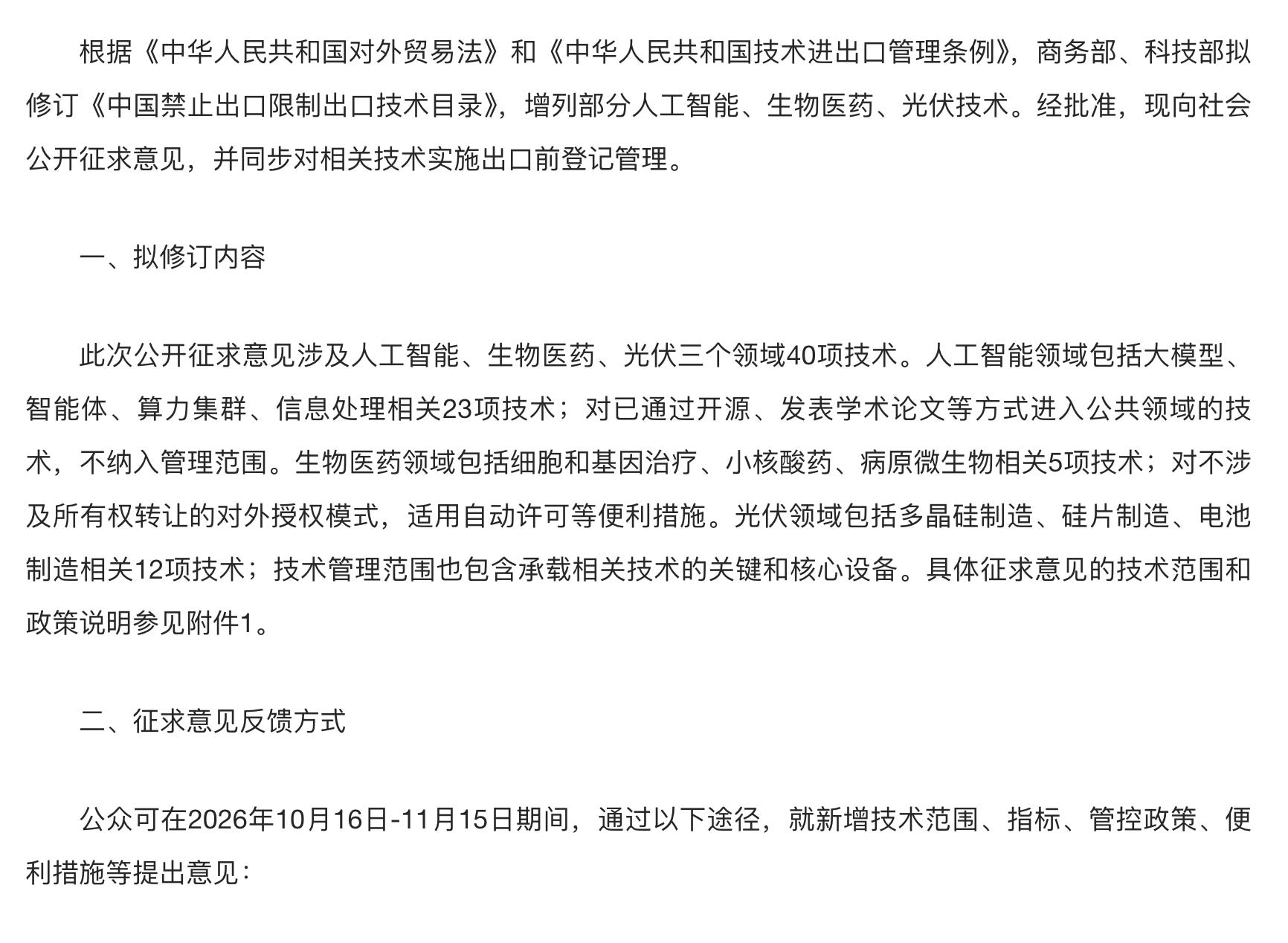
China’s Ministry of Commerce and Ministry of Science and Technology have proposed adding 23 AI technologies—including frontier LLMs exceeding 2 trillion parameters, AI agents, computing cluster systems, and vulnerability discovery tools—to the country’s restricted export catalogue.
The draft explicitly excludes open-source releases, academic research, and standard API calls.
As Chinese models gain global traction, Beijing is strengthening oversight over proprietary AI. There may be new hurdles for cross-border tech partnerships.
(III) Huawei Secures $2.25B Loan for AI Chips
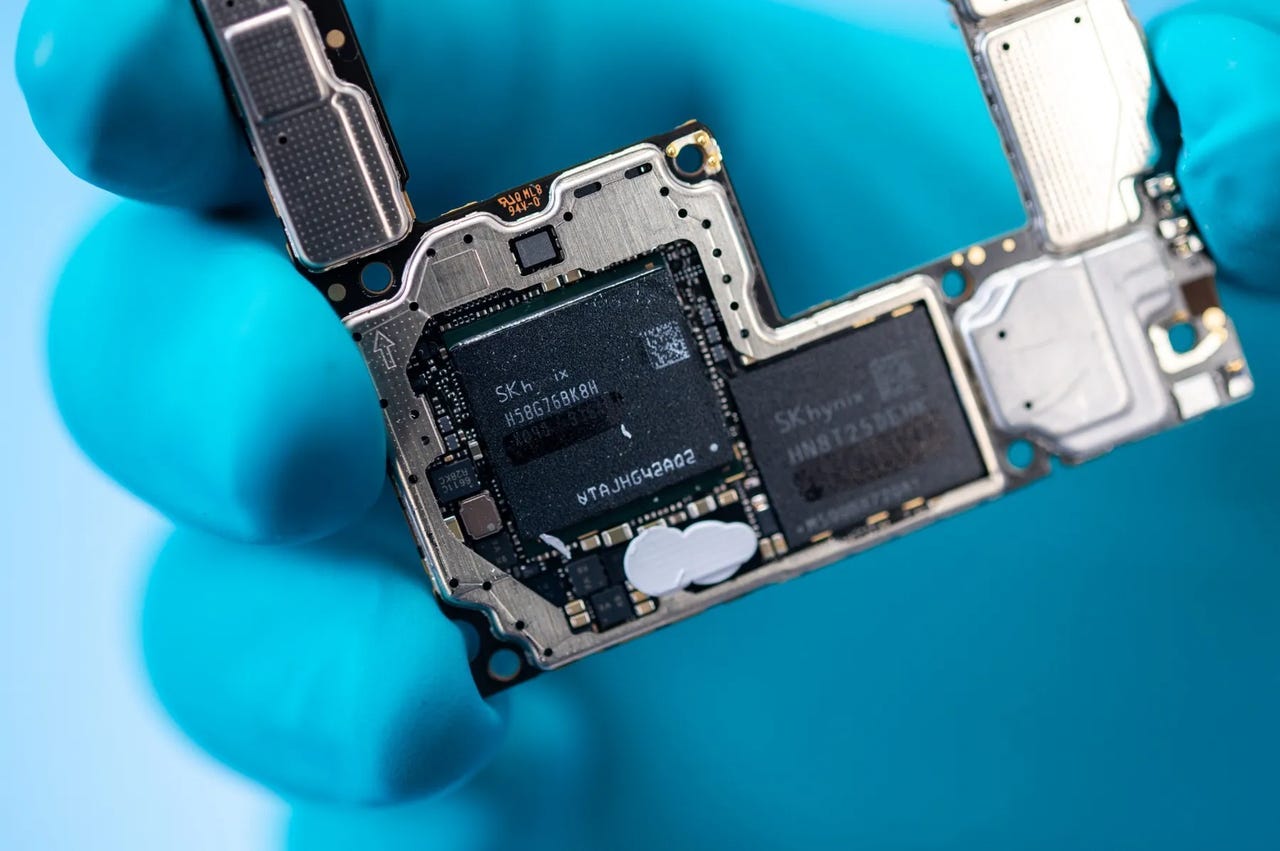
As the primary chip supplier for most Chinese AI labs, Huawei has secured a seven-year, $2.25 billion offshore loan from six Chinese banks, Bloomberg reports. The deal highlights the tech giant’s reliance on domestic lenders amid ongoing US restrictions.
The financing will support its aggressive push into AI-chip development, research, and memory stockpiling. However, even with buyers like DeepSeek planning massive deployments of its accelerators, production output remains tightly constrained.
Meanwhile, aggressive spending continues to weigh on liquidity: the company poured $17 billion into R&D in the first half of the year alone, driving negative cash flow to $5.6 billion.
(IV) DeepSeek Reveals How It Will Spend Its $15B Mega-Funding Round
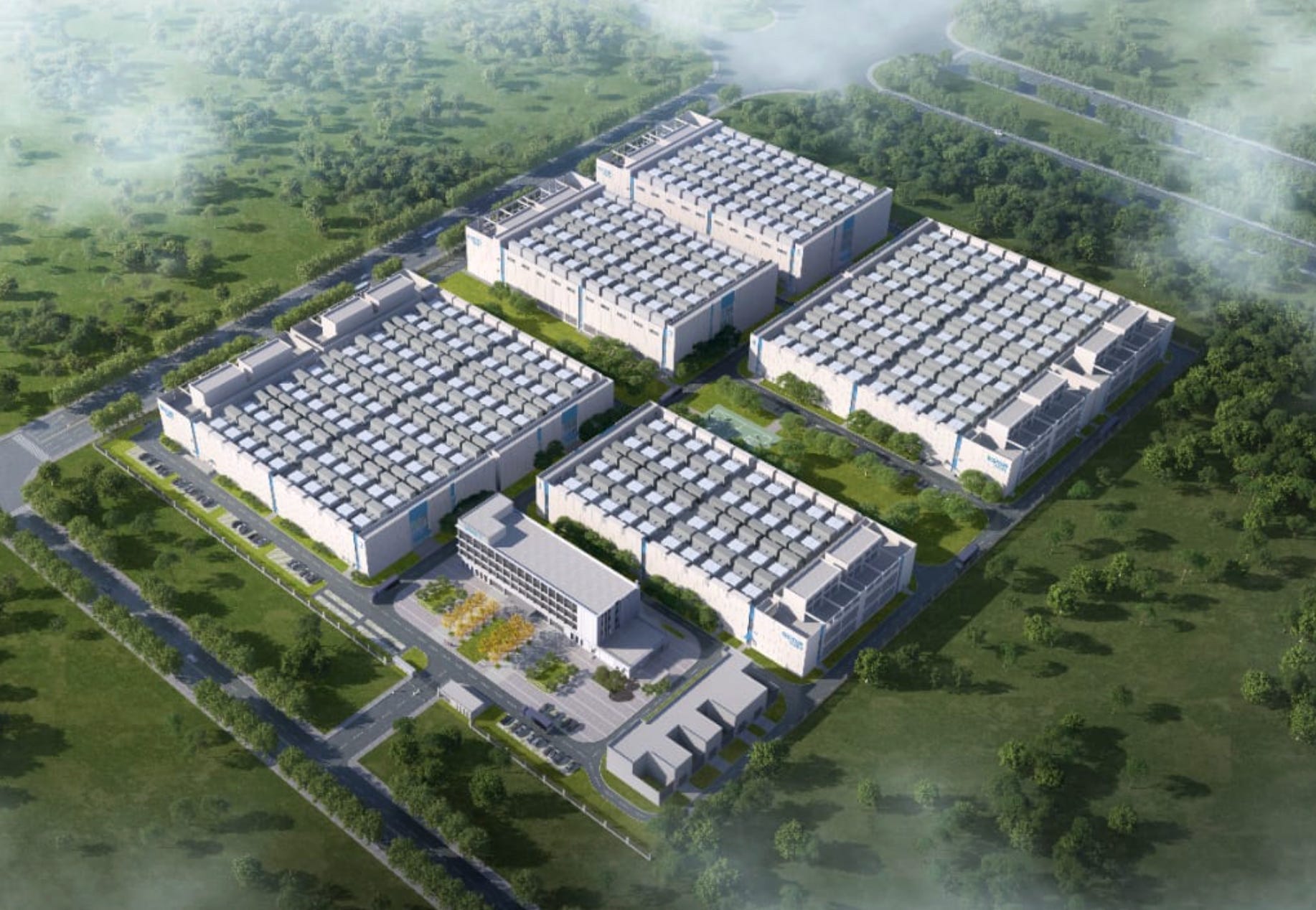
According to 36Kr, DeepSeek’s massive $15 billion funding round is earmarked for a 1GW data center in Ulanqab, Inner Mongolia, powered by at least 160,000 Huawei Ascend 950DT chips. Because a facility of this scale requires immense power, Ulanqab’s cheap renewable energy is essential to control its heavy operational expenses.
Meanwhile, CATL reported an additional $1.4 billion top-up in this round so that it can secure its role as a key provider of a complete energy solution, including energy storage, direct green power connection, and power grid interface.
Consequently, China’s domestic AI race has gradually shifted from “who builds the best model?” to “who builds the data center first?”
(V) MiniMax Debuts Open-Weights M3.1 Flash
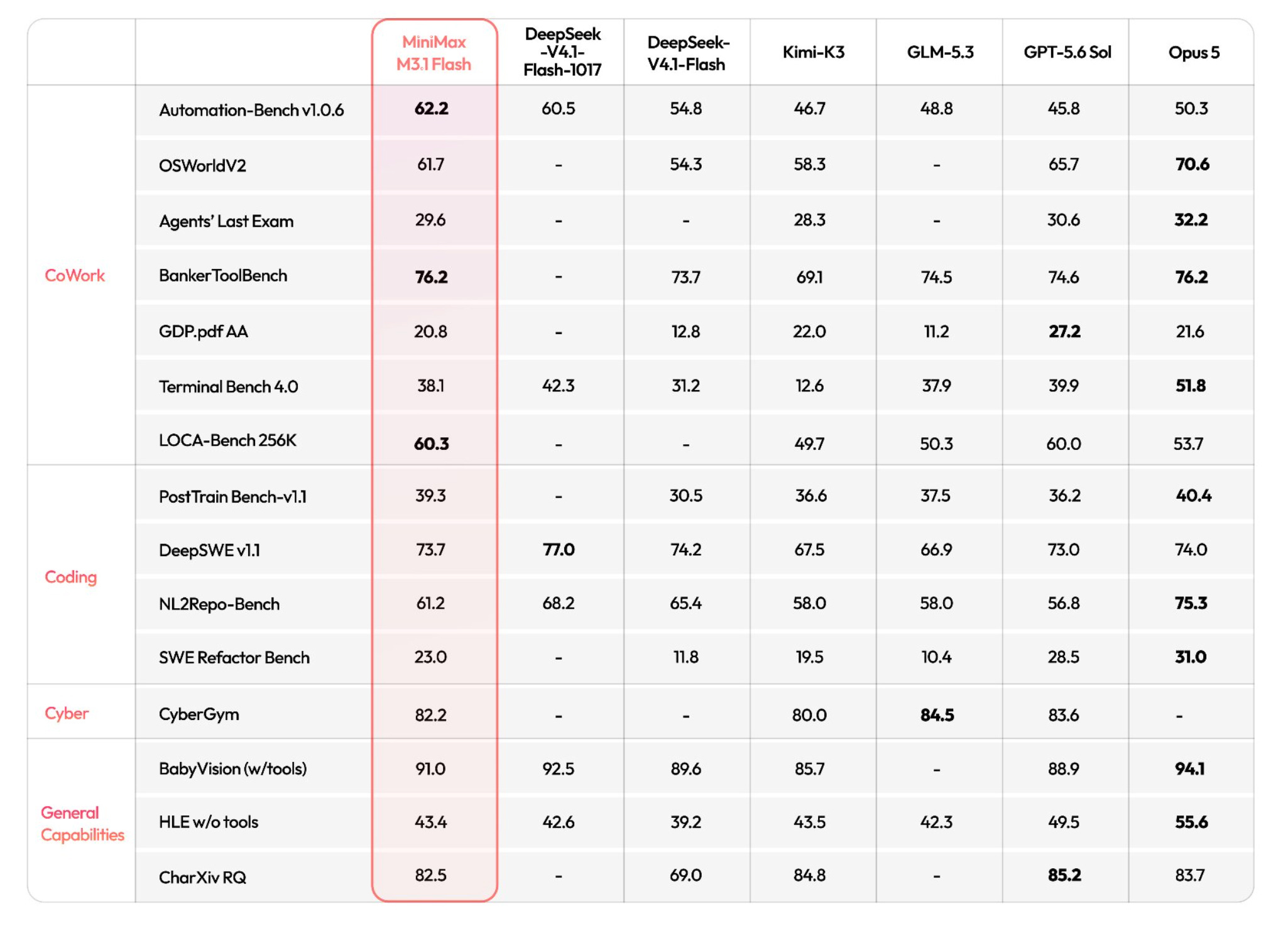
Chinese AI startup MiniMax has released M3.1 Flash, claiming it runs roughly 3x faster at one-third the cost of its predecessor, M3.
The model scores 73.7% on DeepSWE v1.1 while delivering speeds over 200 tokens per second. Previously tested anonymously under the codename ‘Space Bunny’ on OpenRouter and OpenCode, its weights are scheduled to be open-sourced on October 23.
(VI) XPENG AEROHT Delivers Flying Car to UAE
Sheikh Saud bin Saqr Al Qasimi, UAE Supreme Council Member and Ruler of Ras Al Khaimah, recently visited XPENG AEROHT’s mass-production factory in Guangzhou to take delivery of the first “Land Aircraft Carrier” (X3-F) test unit. The aircraft will undergo sandbox trial operations in the UAE’s low-altitude regulatory zone under civil aviation oversight.
This follows XPENG AEROHT’s Dubai flight demo in October 2025 and its landmark 600-unit order with key Middle Eastern partners—the largest overseas order in China’s flying car sector to date.


(VII) DeepSeek Open-Sources DeepInfer Model Serving Framework
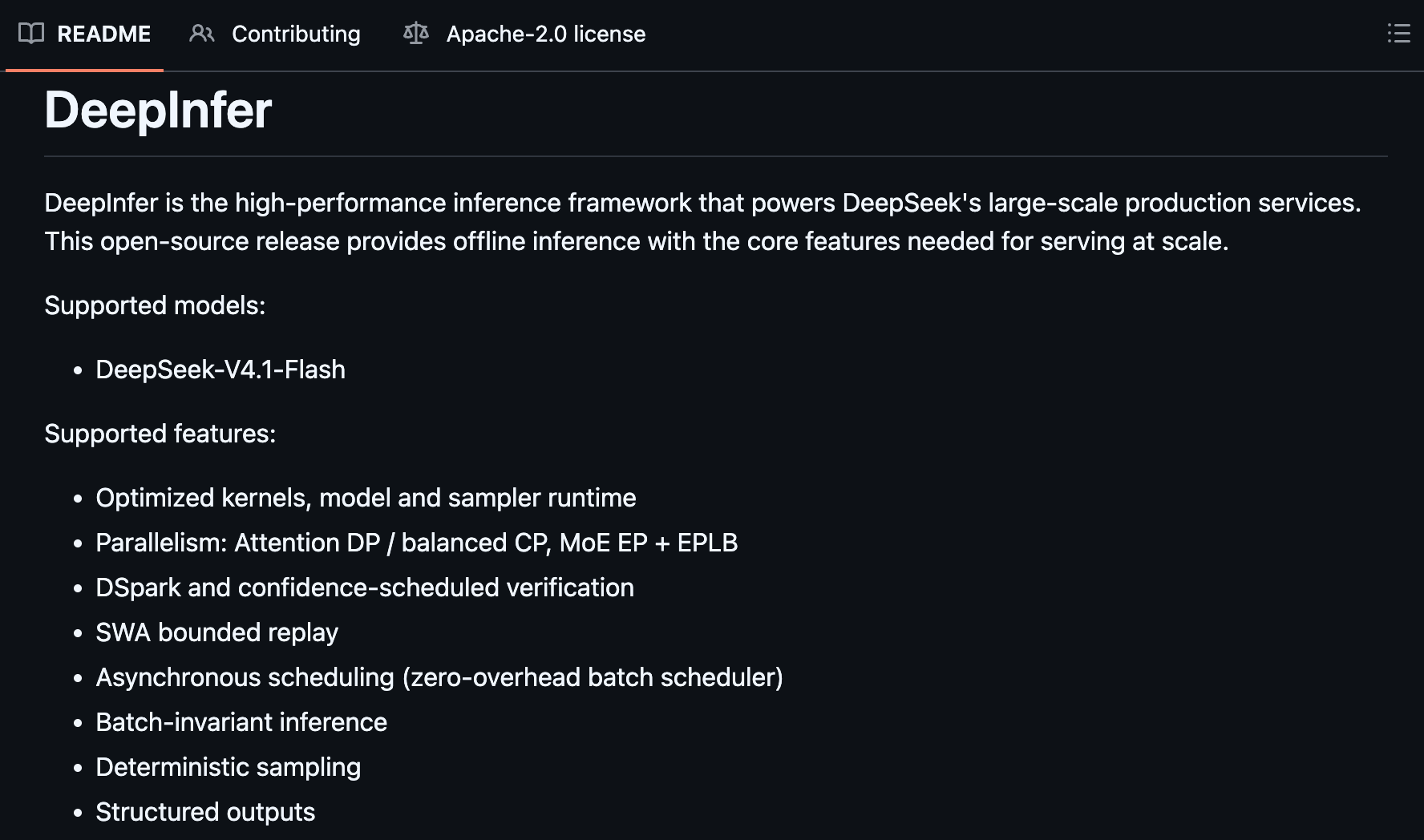
DeepSeek is open-sourcing DeepInfer, its internal framework for serving models at scale.
Inference frameworks coordinate compute clusters to shape AI throughput, latency, cost, and energy efficiency. DeepSeek says DeepInfer powers high-throughput, low-latency inference for V4.1 Flash.
Supporting both Nvidia and Huawei Ascend hardware, DeepInfer enables distributed inference, speculative decoding, SWA Bounded Replay, and structured outputs. Alongside the framework, DeepSeek also released deepseek-recipe, a production-grade tokenization component fully aligned with its official API.
Weekly Articles...
China’s Young AI Power Brokers
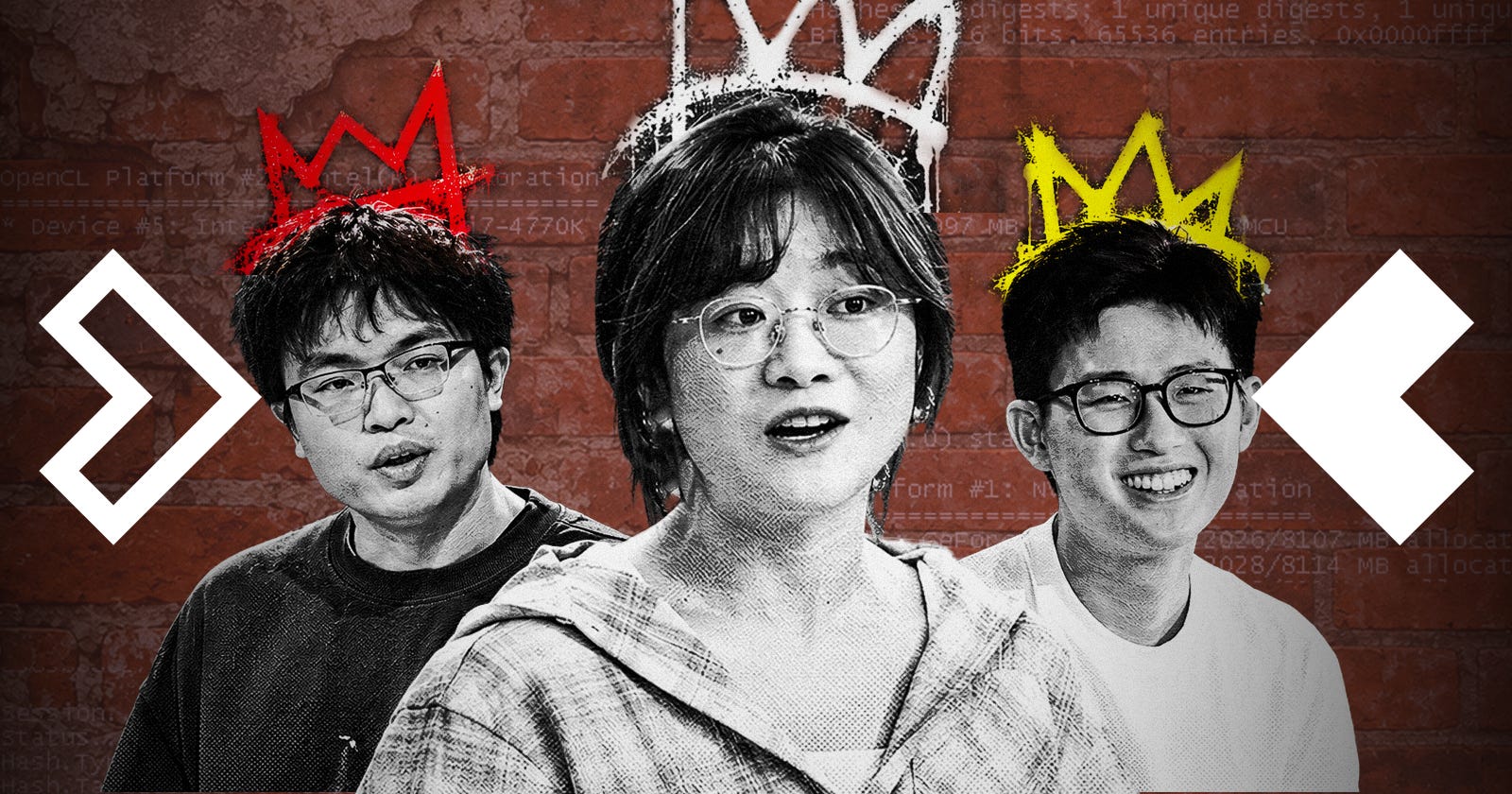
A fresh crop of Gen Z and millennial wunderkinds is hijacking the wheel of China’s AI revolution, commanding multi-million-dollar GPU clusters at labs like Moonshot, Zhipu, Xiaomi, and Tencent. By tearing down corporate hierarchies and doubling down on a “hand over the compute” philosophy, young visionaries like Yang Zhilin and Luo Fuli are calling the big technical shots—mastering the delicate art of giving researchers room to play while battling corporate politics to keep the lights (and chips) on.
Apple’s Biggest iPhone Bet Runs Through China
Tim Cook’s October 2026 sweep through Guangzhou, Beijing, and Shanghai signaled a high-stakes gamble: carving out a dominance for Apple’s new foldable, the iPhone Duo, right in Huawei’s backyard. From ironing out razor-thin manufacturing yields to securing local AI regulatory approvals with Alibaba and Baidu, Cook’s whistle-stop tour was all about clearing the runway for Apple’s boldest play yet in the world’s premier foldable market.