



Dear Reader,
Just before press time, the biggest tech drama of the year took a sudden turn: Nvidia’s board unanimously reinstated Jensen Huang as CEO, less than two weeks after his exit. Between Huang’s comeback and Washington turning up the heat on U.S. firms using Chinese AI, it has been a hectic week. Away from the spotlight, though, equally important shifts are underway. Nvidia is halting licensed chip shipments to China, Alibaba is training its next-gen models on homegrown silicon, and DeepSeek just hit an $86 billion valuation.
The global AI map is being redrawn faster than ever. Let’s unpack all of it.
Weekly News...
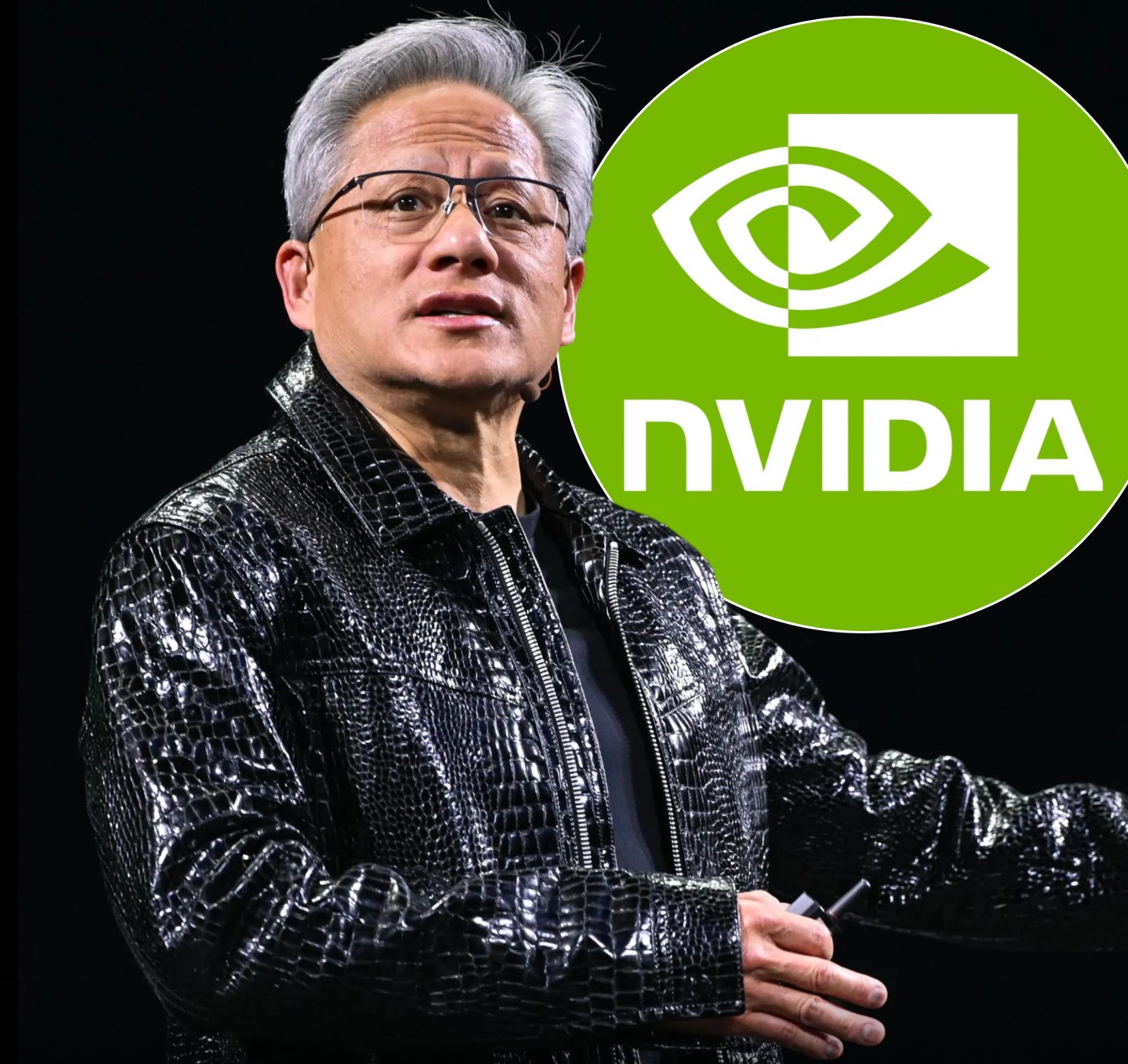
(I) Jensen Huang Controversy Timeline: From Resignation to Return
Stand With Jensen Open Letter (Nov 13): Open letter drew over 7,000 early signatures urging Huang’s reinstatement during the probe.
Backing Grows as Washington Splits (Nov 15-16): Signatories topped 165,000 with Elon Musk; Bessent urged overhaul while Trump welcomed return.
Huang Offers Return & Board Rejects It (Nov 17): Huang welcomed returning; hours later on the Q3 call, Chairman Harvey Jones refused.
First Town Hall Amid Internal Divide (Nov 18): Interim CEO Colette Kress urged moving forward and moved pay reviews to December.
Trump Calls for a Second Chance (Nov 20): Trump wanted Huang given a second chance and advised a public apology.
Bessent Softens Plus Hearings Ahead (Nov 22): Bessent noted Huang was already out; reports pointed to upcoming congressional hearings and export scrutiny.
Board Reinstates Huang (Nov 23): Nvidia’s board unanimously brought Huang back as president, CEO, and director, while launching a search for a Chief Compliance Officer as government probes continue.
(II) US Lawmakers Target Corporate Use of Chinese AI
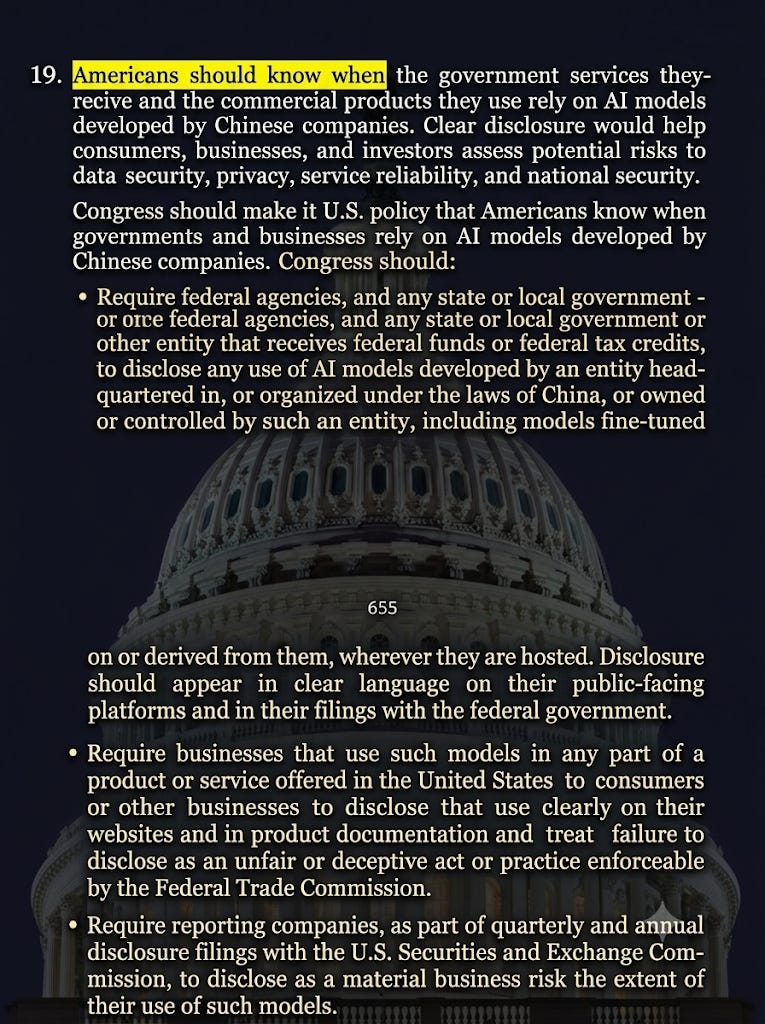
U.S. regulatory pressure on American firms using Chinese AI models is escalating.
On November 18, the U.S.-China Economic and Security Review Commission (USCC) urged Congress to require public companies to disclose their use of models like DeepSeek and Alibaba’s Qwen as a “material business risk” in SEC filings.
Two days later, the House Select Committee on China and the House Committee on Homeland Security released a joint report following an investigation into Airbnb, DoorDash, and Cursor developer Anysphere (which uses Moonshot AI’s Kimi). While noting U.S. firms adopt DeepSeek, Qwen, and Kimi for their low cost and competitive performance, lawmakers accused these open-weight models of security risks and IP theft via “model distillation.”
This follows an October 20 federal ban on Chinese AI models in government systems. While commercial use remains legal without mandatory disclosure rules for now, corporate adoption faces growing uncertainty.
(III) US-China Trade Truce Wobbles at Shenzhen APEC Summit
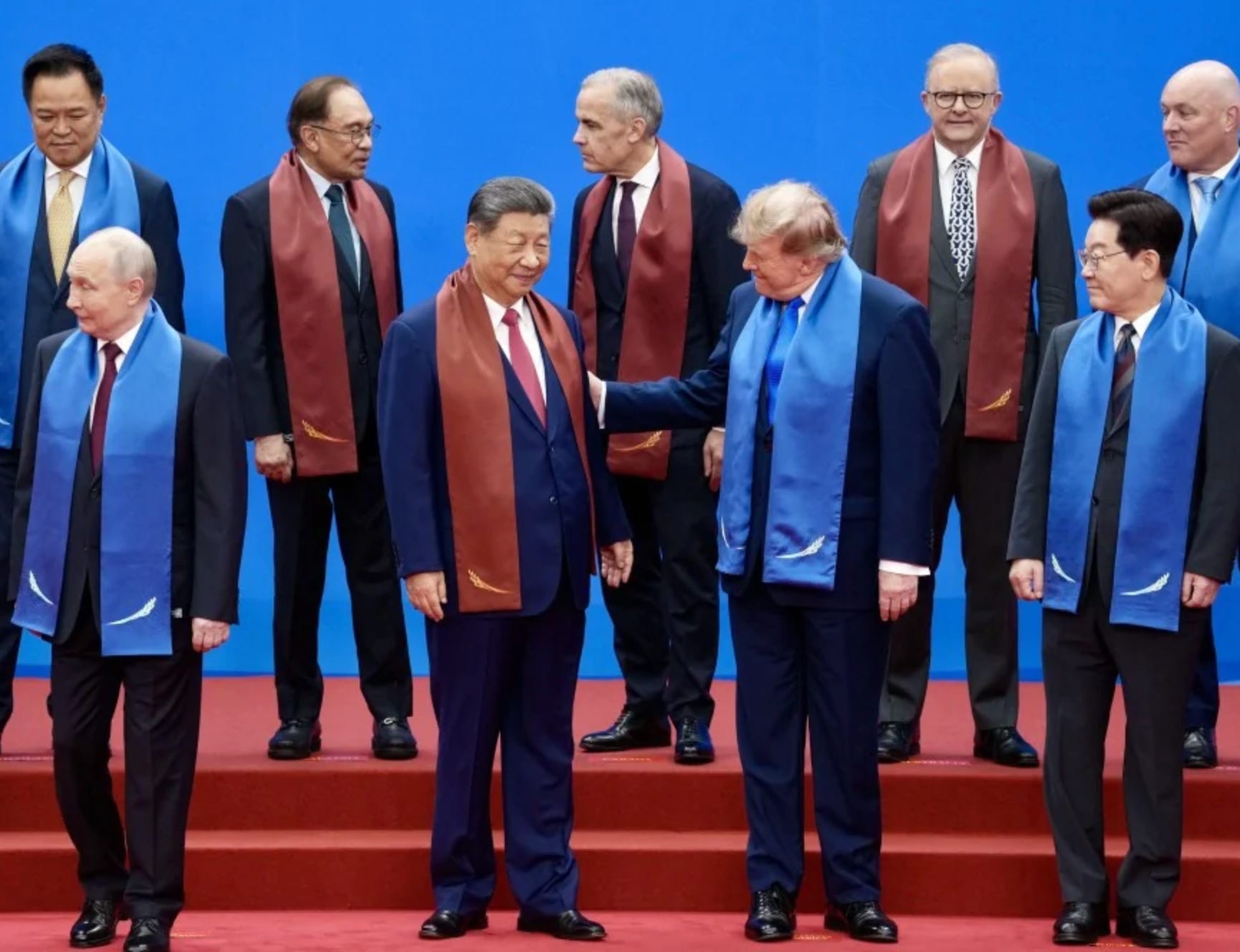
While both China and the US used the Shenzhen APEC summit to project stability and avoid sensitive disputes, the meeting yielded little substantive progress in trade or tech cooperation.
Furthermore, their fragile trade truce, which was extended until January 10, 2027, is at risk of collapse. Strained by unmet US expectations alongside recent tech and espionage controversies, the deal could end at any moment.
The sole bright spot of the event was the first-ever trilateral summit between the US, China, and Russia, which produced a joint peace declaration to reduce nuclear risks and bolster global stability.
(IV) DeepSeek Hits $86B Valuation in Massive Funding Round
DeepSeek’s 2nd Funding Round:
DeepSeek raised $14-15 billion at an ~$86 billion post-money valuation.
Latest filings show a new 31-partner investment vehicle joined its shareholder structure. Tencent and CATL are the largest external investors (holding ~9.6% each), followed closely by China Mobile and CITIC Securities (~7.7% each).
(V) Tencent’s WorkBuddy Hits 10 Million Daily Active Users
According to IThome, Tencent’s WorkBuddy has surpassed 10 million daily active users and 100 trillion in average daily token volume as of early November, making it China’s highest-volume AI product in terms of daily LLM token usage.
China’s non-engineers are rapidly adopting agentic workflows. 10 million daily users burn through 100 trillion tokens is a whole new social phenomenon.
(VI) Nvidia Halts Licensed AI Chip Shipments to China
Nvidia has stopped shipping its licensed AI chips to China. Interim CEO Colette Kress said the company sold $2.4 billion worth of licensed Hopper-generation products to China in the quarter ended October 25, though it has no plans for further shipments.
The future of U.S.-China chip trade remains uncertain.
(VII) Alibaba Trains Next-Gen AI on Proprietary Processors
Alibaba is now training its next-generation AI models on proprietary processors.
CEO Eddie Wu stated that the company’s future goal goes beyond replacing Nvidia chips; it intends to integrate domestic processors, AI models, and cloud infrastructure into a complete ecosystem.
If this vision comes to fruition, U.S. chips could become obsolete.
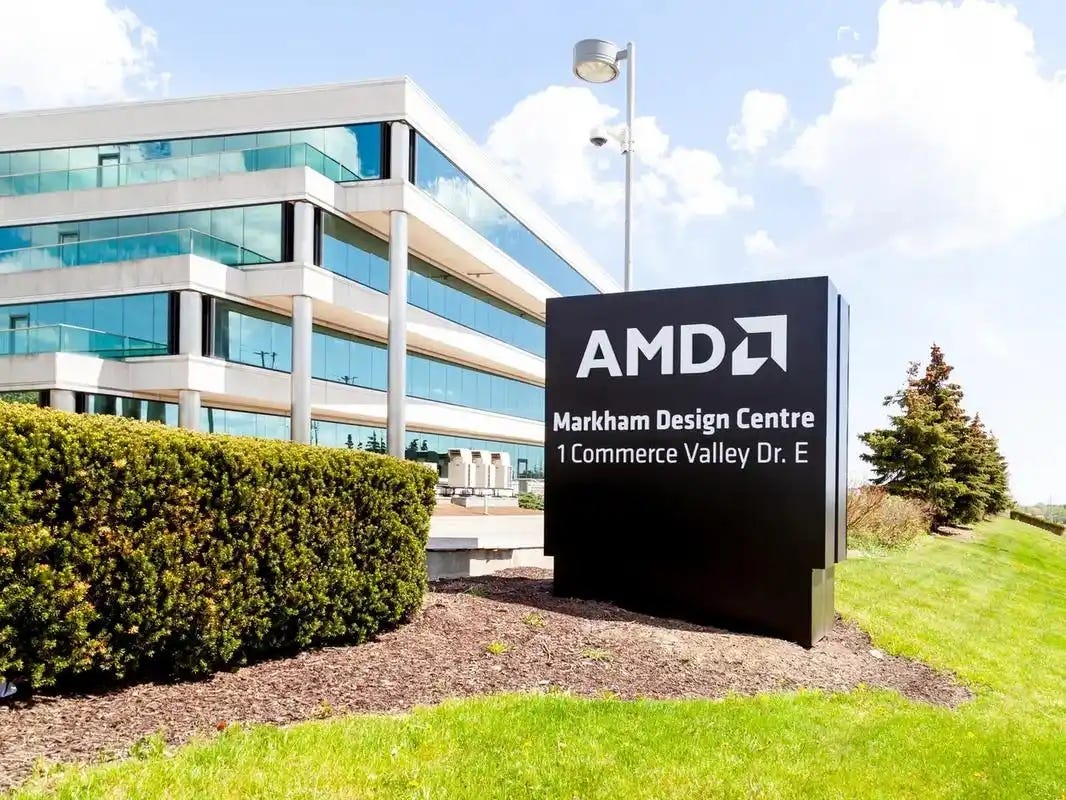
(VIII) AMD Shares Tumble Over Blacklisted Chinese Entity Ties
AMD shares tumbled 8% Thursday after a Hunterbrook Media report questioned its ties to Chinese entities linked to U.S.-blacklisted firms, while naming several companies in China, Singapore, and the U.S. allegedly using the same firmware.
Tighter export controls on Nvidia could have given AMD an opening to capture market share, but Washington clearly wants to block U.S. chipmakers from forming close partnerships with China.
(IX) DeepSeek Usage Limit Spark Fierce Online Backlash
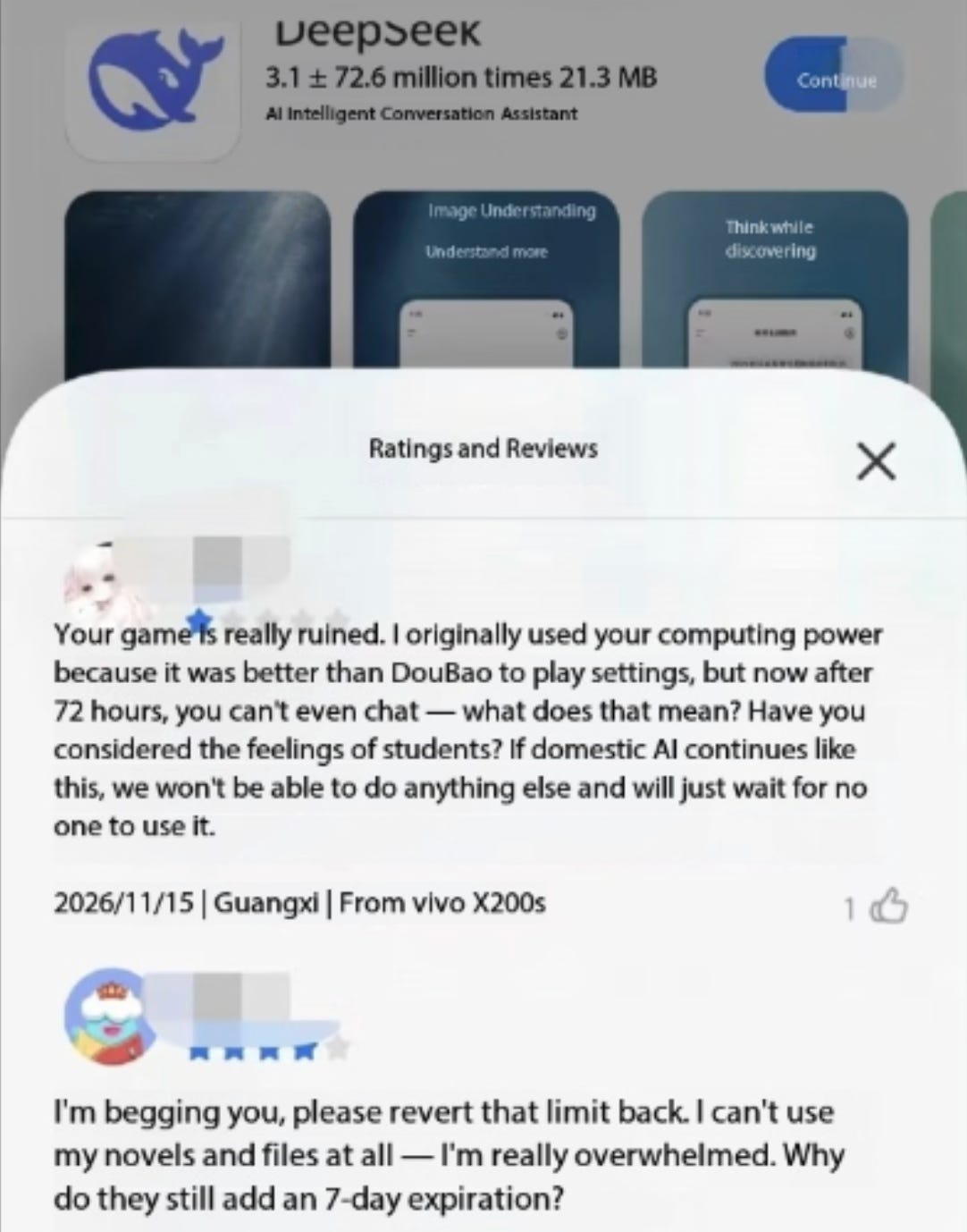
DeepSeek has triggered huge online backlash lately. People outside the role-playing community may not know this, but DeepSeek recently limited its previously free service due to compute constraints. Everyday queries remain unaffected, yet heavy users running long contexts for role-playing and novel writing have hit interruptions, sparking negative app store reviews and even an extreme complaint to local authorities that brought out police and medical responders.
Weekly Articles...
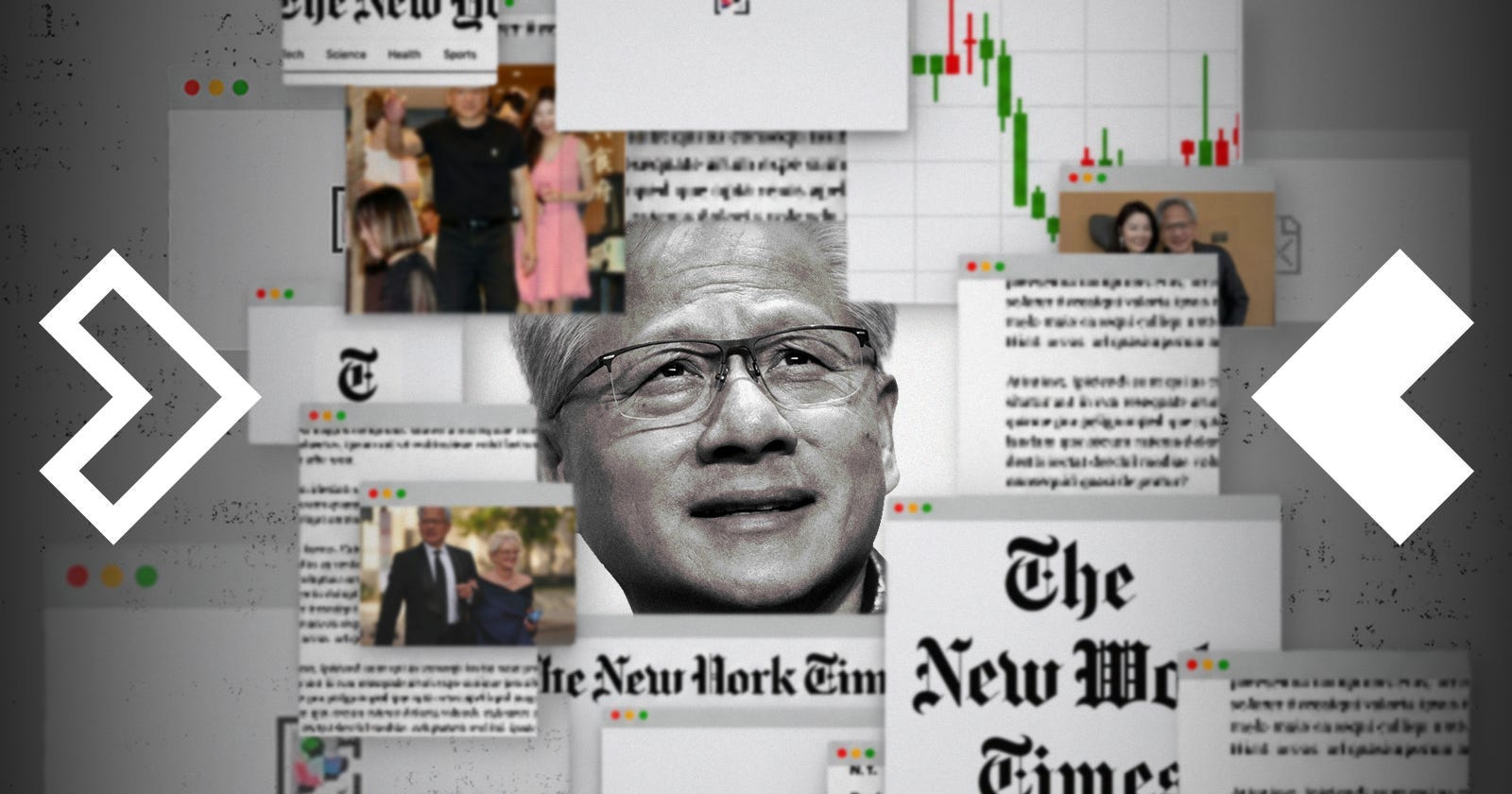
In the Jensen Huang Saga, Legacy Media Has Officially Lost the Plot
Following Nvidia CEO Jensen Huang’s sudden resignation and a $1.8 trillion market drop, a different picture is emerging. While media initially framed his departure around an alleged Chinese spy, international officials have largely dismantled those claims. Now that Huang has signaled openness to returning, prominent Silicon Valley figures are rallying behind him, raising broader questions about media accountability and how quickly unverified narratives can reshape the tech industry.
Good sum up!
Tencent's 100 trillion tokens a day across 10 million users averages ten million tokens per person, and a token is just a scrap of text. Nobody types that much. That's software working while someone does something else, so the figure counts agents running rather than people chatting. It also makes DeepSeek's grumbling easier to read: long free sessions eat real compute, and somebody has to ration it.