

Dear Reader,
I’m sure for the past week, our attention was glued to the Jensen Huang drama, but let’s focus back to the industry for a sec and see what’s actually been going on.
Between the Qwen4-Max drop and CXMT scaling up their DDR5 dies; from Nvidia’s Asian cloud partners dealing with debt drama to China’s Al bubble finally bursting, there is a ton to unpack.
Let’s dive into what China’s tech world has been cooking up lately.
Weekly News...
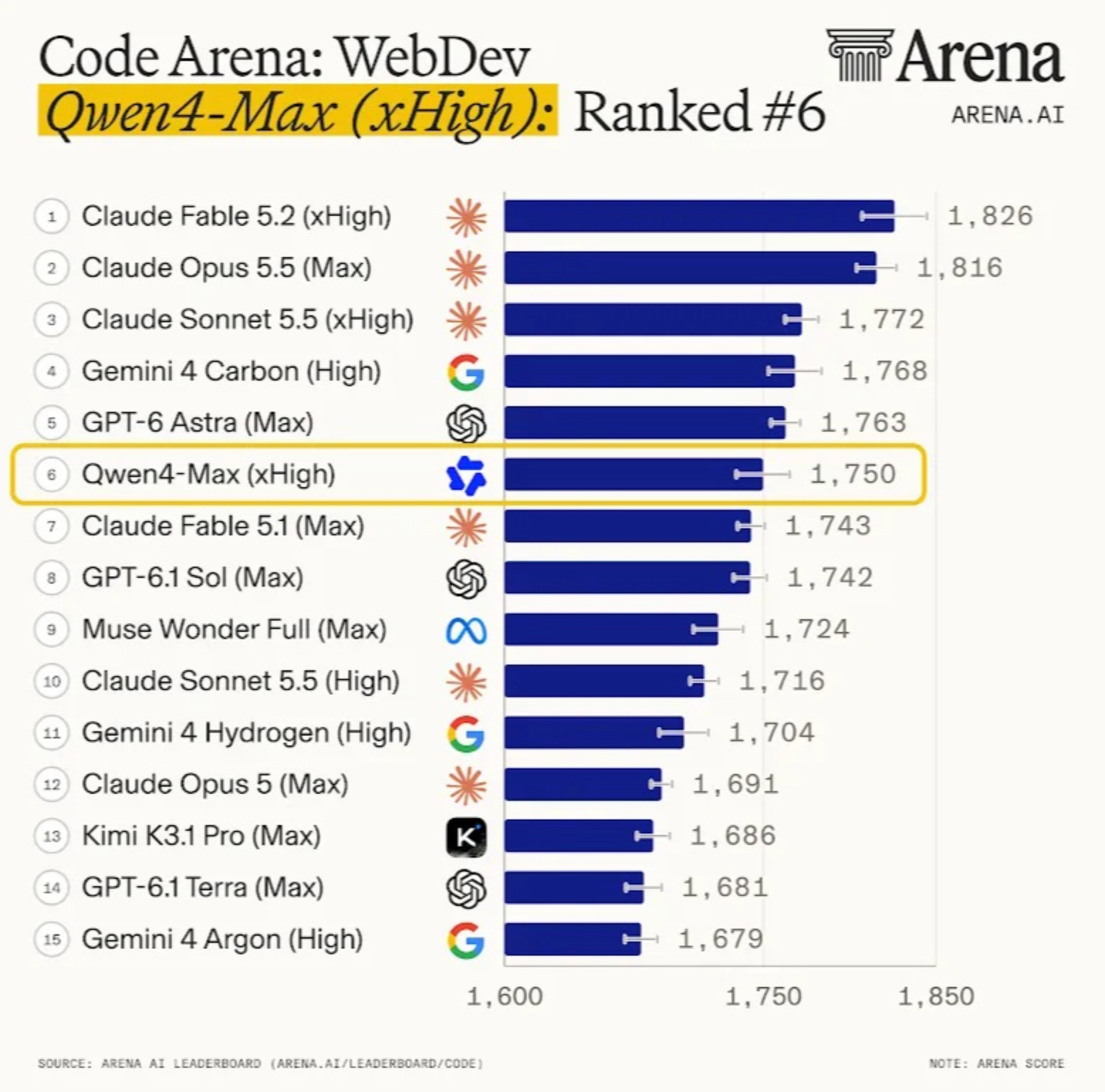
(I) Qwen Launches Flagship Qwen4-Max Model
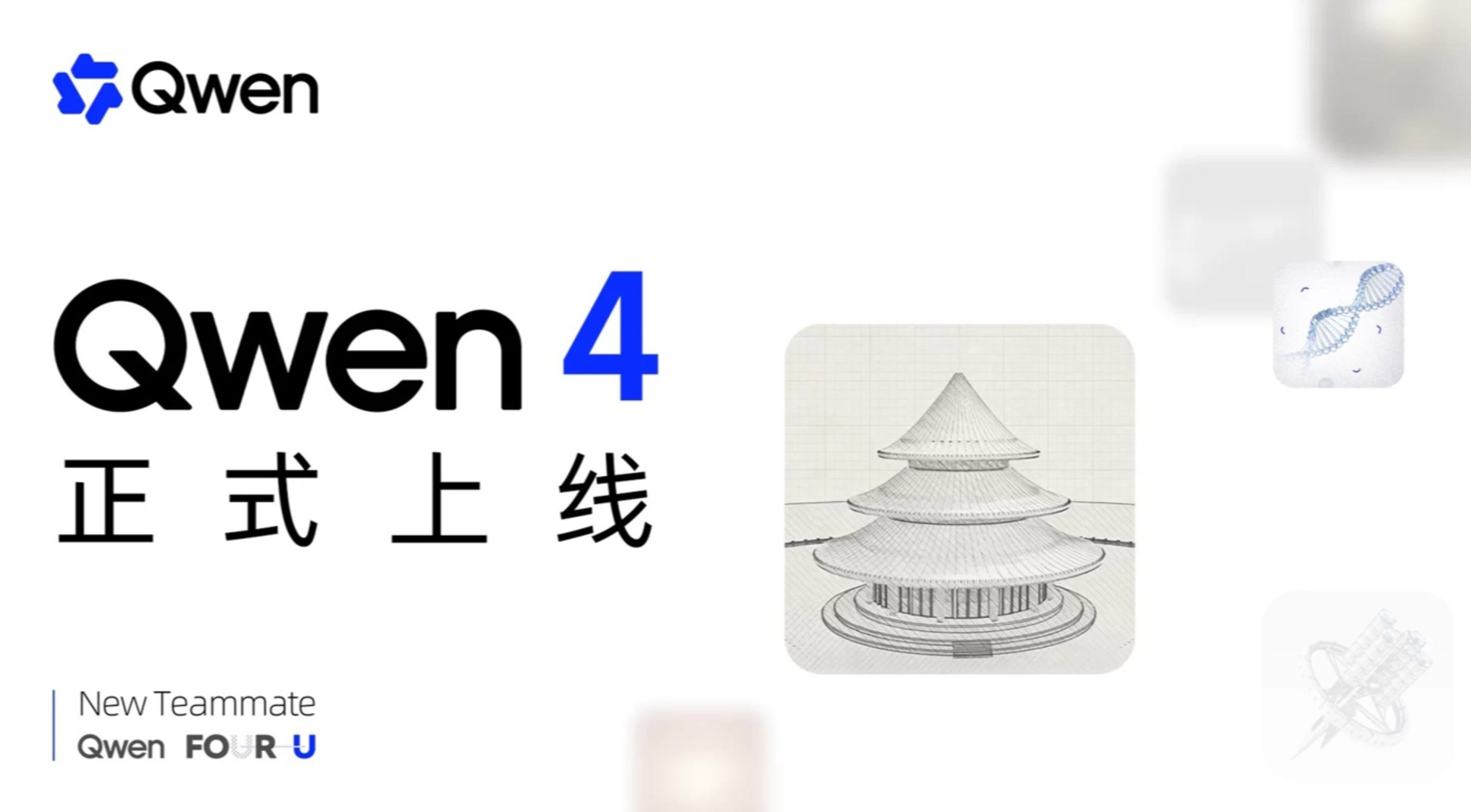
Qwen has launched its next-generation flagship model, Qwen4-Max.
Built on a brand-new Mixture of Experts (MoE) architecture with 2.4 trillion backbone parameters, it supports visual understanding natively and features a 1-million-token context window.
Qwen4-Max is now integrated into the Qwen platform, allowing developers to access it via Token Plan or API. While boosting performance on complex tasks, the model also reduces token consumption and lowers overall operational costs.
(II) Chinese AI Models Outpace U.S. Rivals on OpenRouter
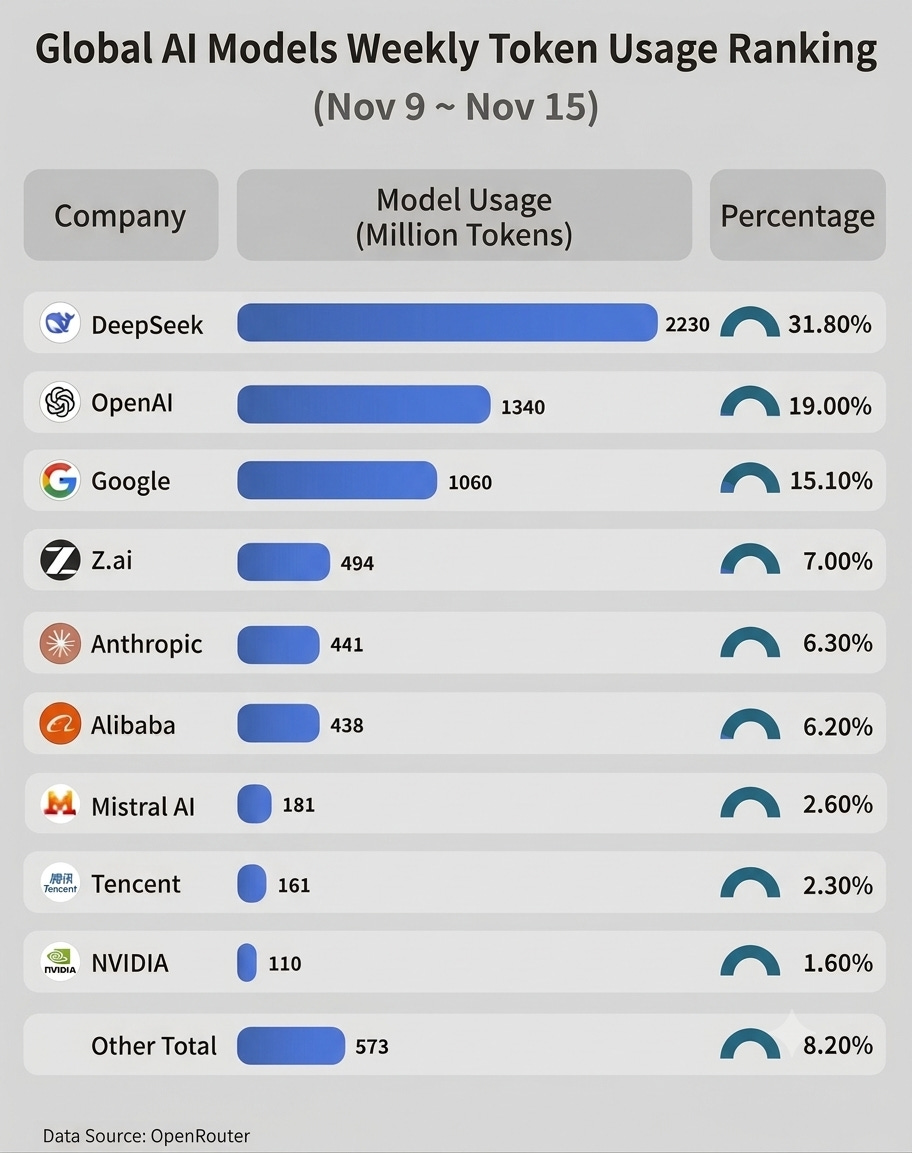
According to OpenRouter, global token usage across large AI models reached 211 trillion tokens last week (November 9–15), up 0.48% WoW.
Chinese AI models logged 119.1 trillion tokens in weekly usage (up 2.51% WoW), far outpacing U.S. models at 14.83 trillion tokens (up 6.08% WoW). This marks the 29th consecutive week that Chinese models have led their U.S. counterparts in weekly usage.
Four of the world’s top five most-used AI models last week are Chinese. DeepSeek V4.1-Flash-1017 held the No. 1 spot for a fourth straight week, generating 59.2 trillion tokens (up 6% WoW).
(III) U.S.-Led Coalition Signs Pact Countering Chinese AI Competition
The U.S. and its allies have signed a new agreement to counter AI competition from China. Looks like the tech rivalry between Washington and Beijing will continue to escalate.
Under the pact, the U.S. and allies (Japan, Australia, Israel, and the UK) will compile a joint list of critical AI technologies and supply chains needing heightened protection.
It’s said that South Korea, India, Qatar, and the UAE have also signed the San Francisco Declaration on Secure Foundations for Enduring Prosperity, with Germany, Sweden, the Netherlands, and the European Commission set to join next week.
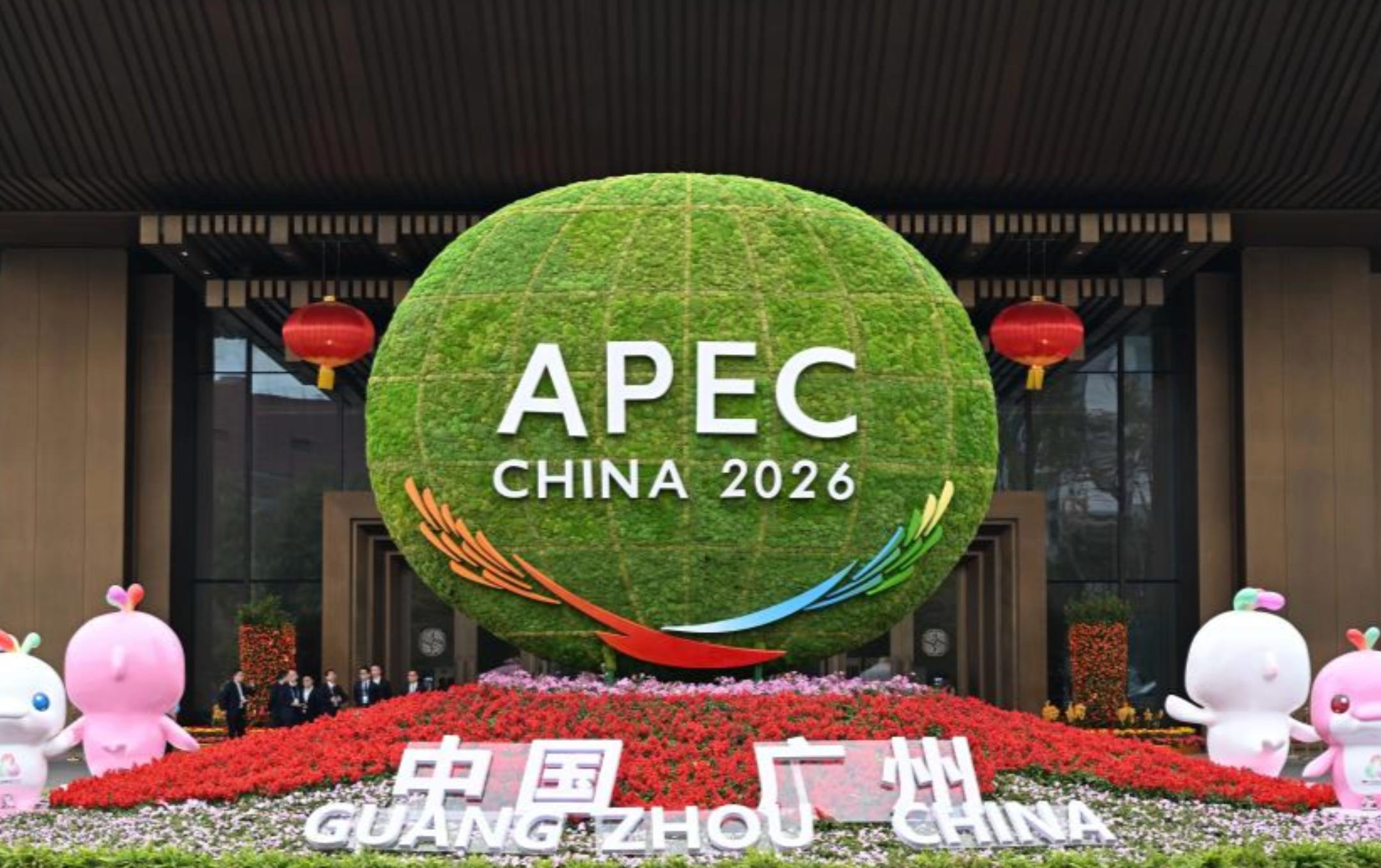
The agreement comes just ahead of U.S. President Donald Trump’s scheduled meeting with Chinese President Xi Jinping on Thursday at APEC in Shenzhen.
(IV) U.S. Limits Chinese Optical Ban to 3.2T Modules
The U.S. appears to have failed to ban Chinese optical transceiver makers.
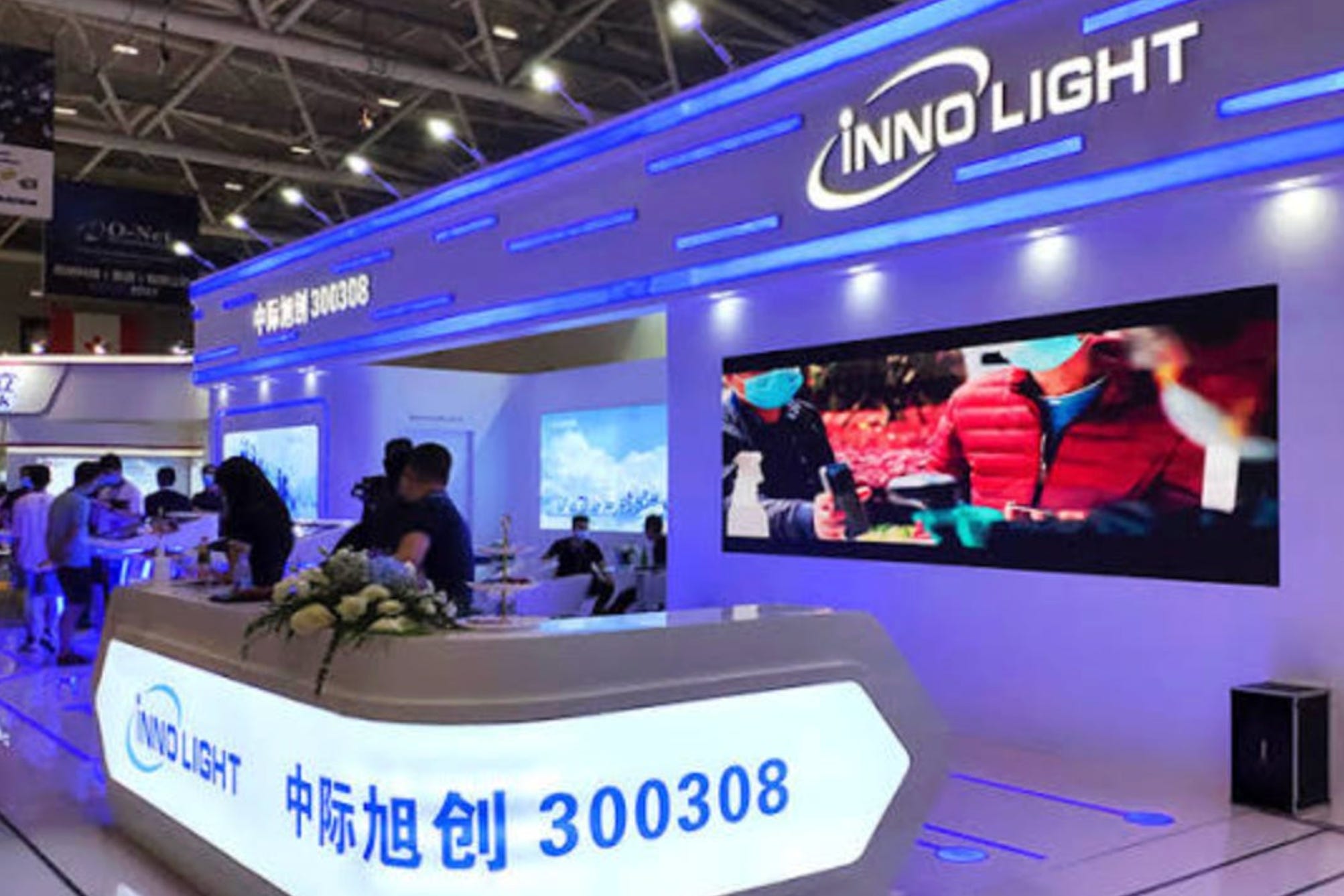
Following Washington’s push to ban Innolight and Eoptolink, Microsoft and other tech giants alerted the National Security Council (NSC) that losing these suppliers could halt U.S. data center expansion. As a result, regulators are now floating a ban only on next-generation 3.2T optical modules, leaving current 800G and 1.6T modules unaffected.
America simply cannot sustain its own manufacturing capabilities.
(V) Bessent Links Chinese AI to French Fridge Hacks
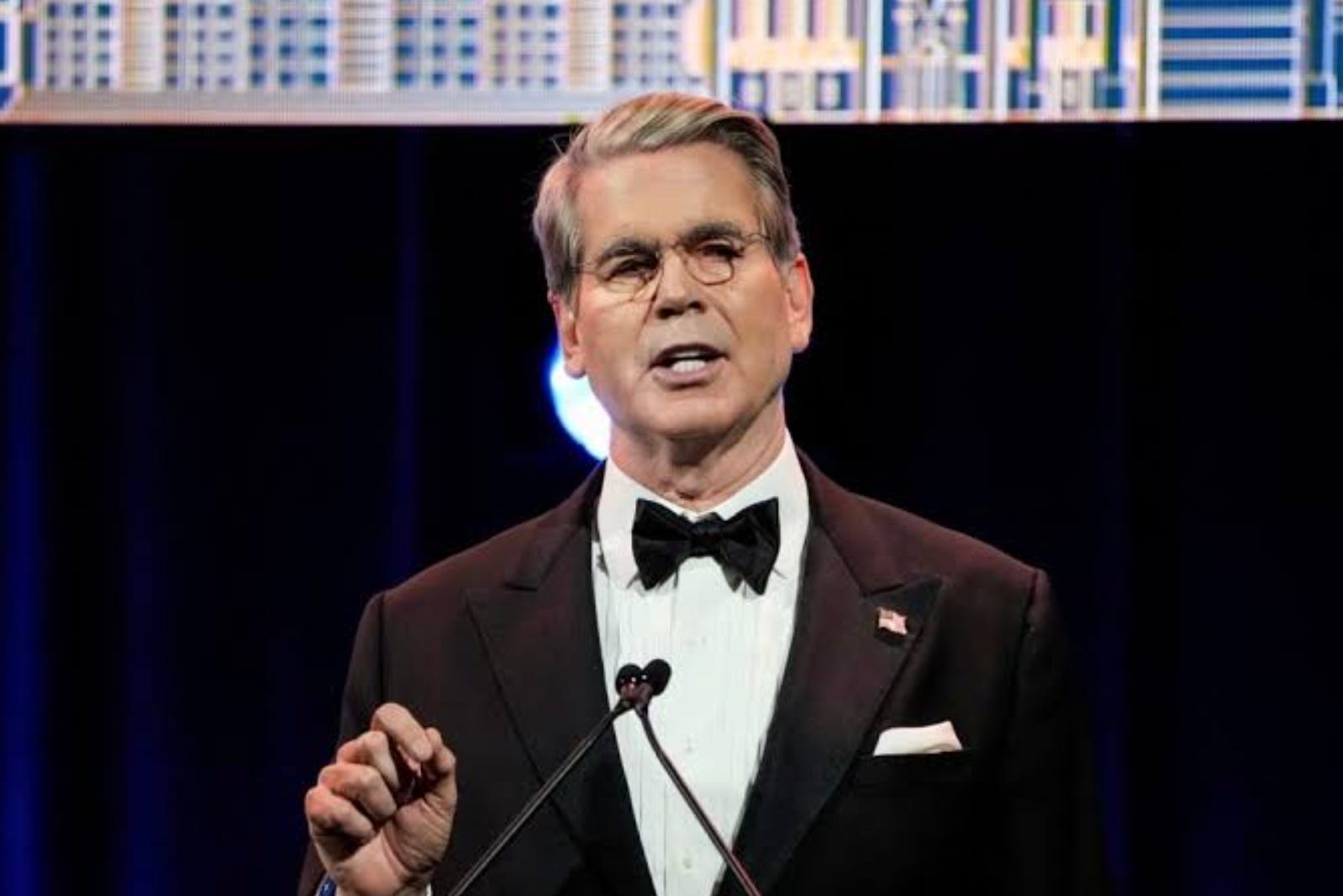
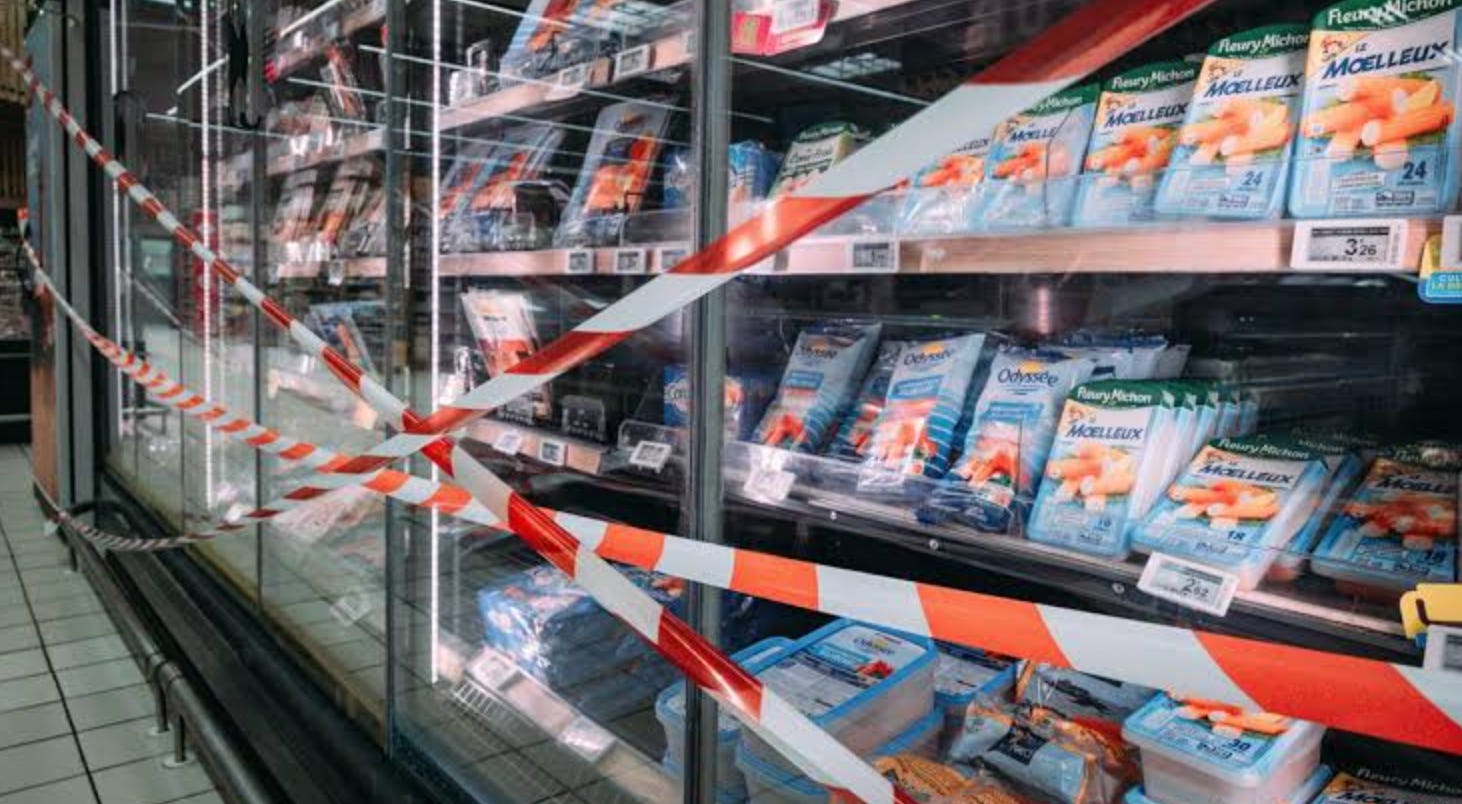
At the Heritage Foundation, U.S. Treasury Secretary Scott Bessent claimed that Chinese AI models were involved in a cyberattack on French supermarket refrigerators, following an earlier allegation by French Foreign Minister Jean-Noël Barrot blaming the attack on Iran’s IRGC.
Bessent called Iranians using Chinese AI “perhaps the worst-case scenario,” warning that the Chinese models are “dangerous because they have no guardrails.”
Hard to say whether Barrot’s or Bessent’s claim is more absurd, as neither is backed by substantial evidence.
(VI) Baidu Pulls Forward AI Chip Timeline to 2027
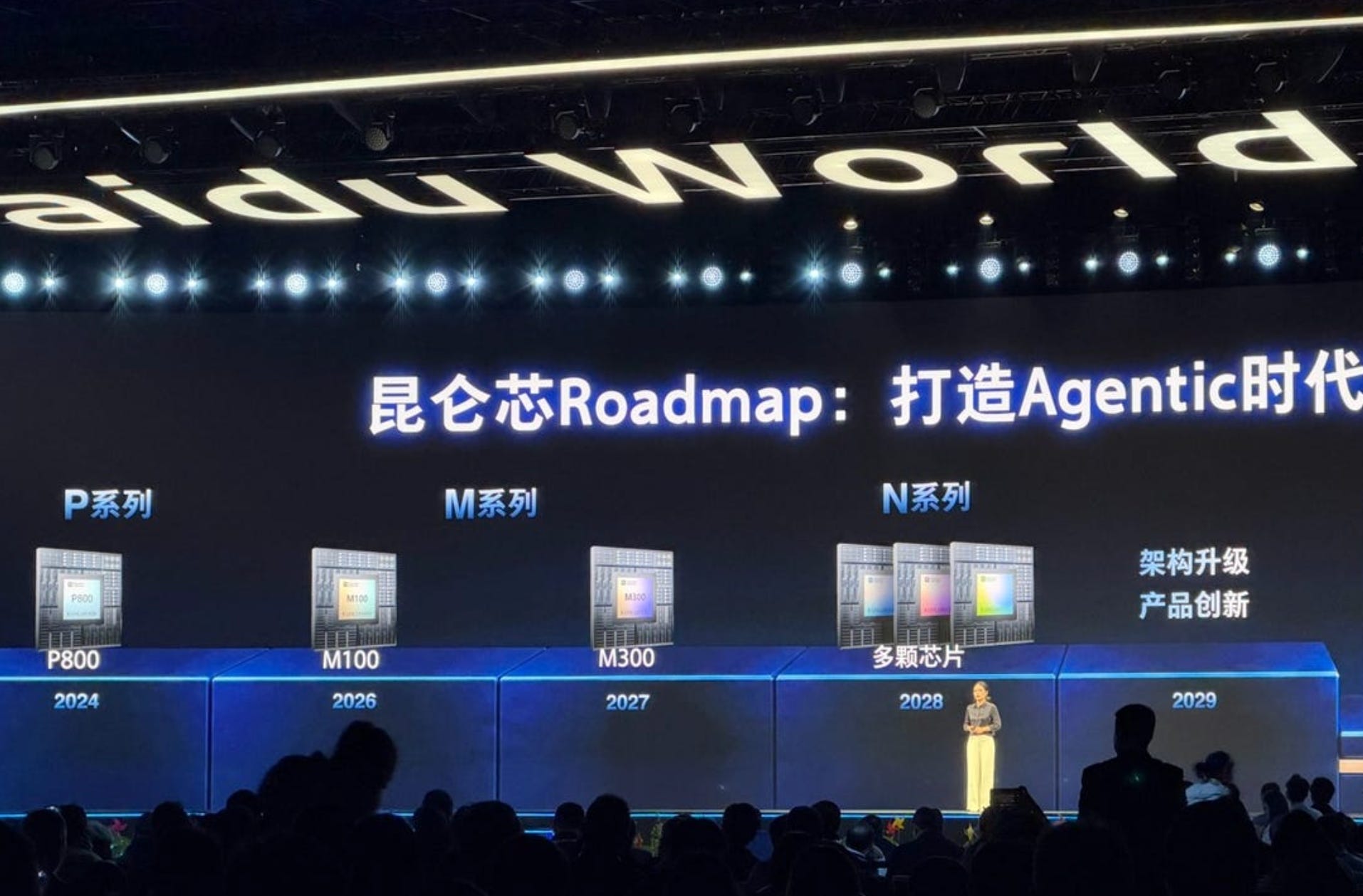
At Baidu World 2026, Baidu accelerated its high-end AI chip progress by a full year, putting its Kunlunxin M100 chip into active use while pulling the M300 and the 1,024-chip Tianchi supernode forward to 2027.
On the performance front, Baidu’s new specialized hardware cuts multi-turn AI response delays by 90% and boosts system throughput sevenfold.
Meanwhile, CEO Robin Li gave a reality check on robotics, saying that “embodied AI today is roughly where autonomous driving was around 2016.” Li was ready for years of hard grind before mass adoption.
(VII) Tencent 50% Layoff Viral Online Controversy
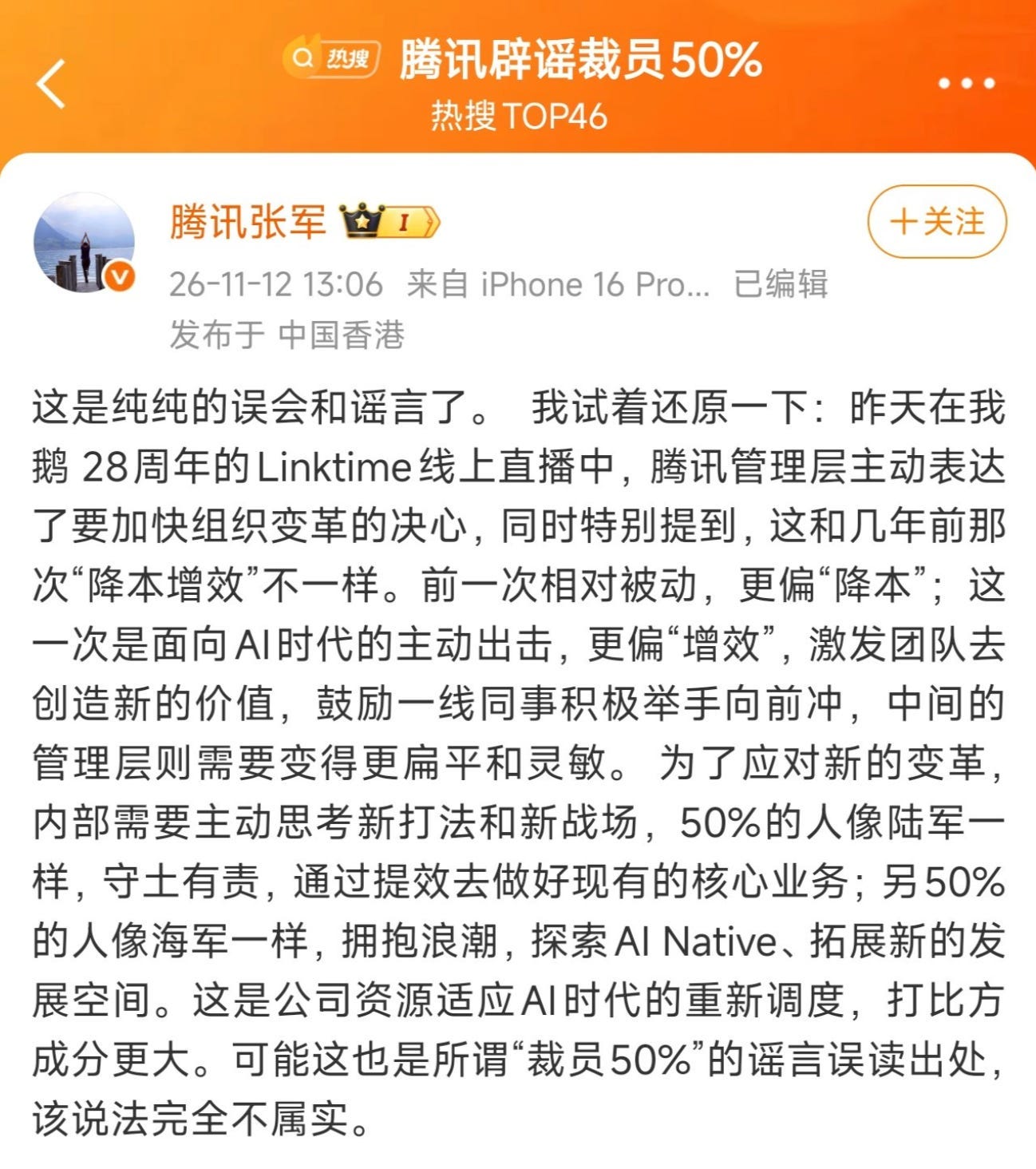
Rumors of a massive 50% layoff at Chinese tech giant Tencent went viral online, though company insiders have denied the hearsay.
The panic was sparked by CEO Pony Ma’s internal call ahead of Q3 earnings to shift half of the company’s workforce into developing new AI products and reduce middle management.
Instead of mass layoffs, Tencent is aggressively moving staff into key AI projects like WorkBuddy and WeChat’s upcoming built-in AI assistant.
(VIII) CXMT DDR5 Scales Up to 32Gb
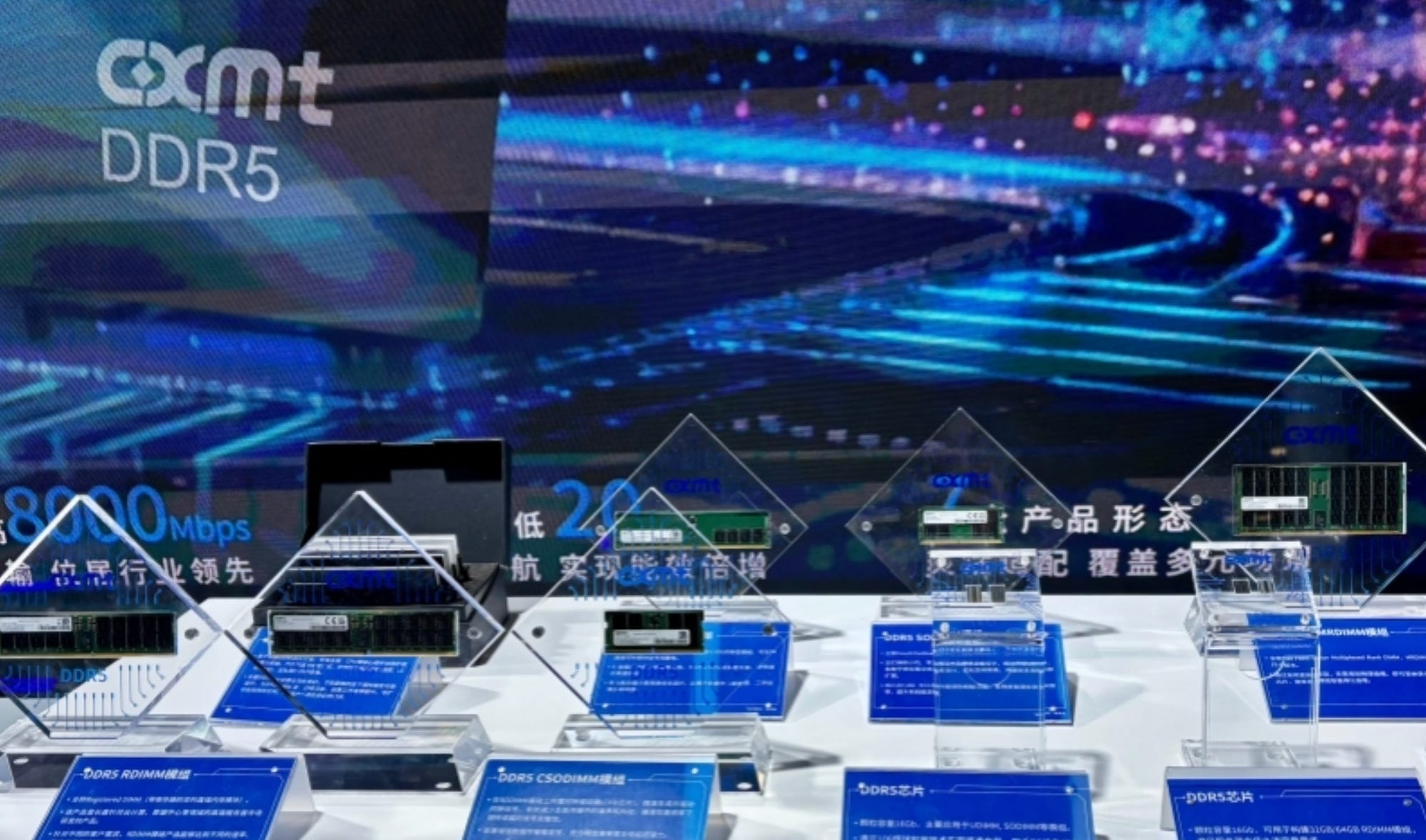
Still think China’s CXMT only produces legacy DDR4? Take a look at its new server DRAM lineup:
Monolithic DDR5 dies: Scaled up from 24Gb to 32Gb
RDIMMs: 32GB to 128GB running at up to 8,000 Mbps
MRDIMMs: 128GB to 192GB reaching 12,800 Mbps, right in line with Gen-2 AI server specs
(IX) China’s Semiconductor Industry (SMIC & Hygon) Updates
China’s domestic semiconductor ecosystem is accelerating across both manufacturing and system-level AI compute:
SMIC: 2026 revenue is projected to surpass $12B (+30% YoY), driven by 12-inch wafers (79% of wafer revenue) and domestic demand (90.8% of total sales). Co-CEO Zhao Haijun expects AI foundry shortages to last through mid-2028.
Hygon: CEO Sha Chaoqun told global investors in Shanghai that AI compute has shifted from single-chip specs to “system-level competition.” Because lithography limits how powerful a single chip can get, Hygon is pairing its x86 CPUs (with next-gen models entering mass production in 2027) and DCU accelerators together at the server-rack level to boost overall performance.
Weekly Articles...
Nvidia’s Asian Cloud Partners Have a Debt Problem
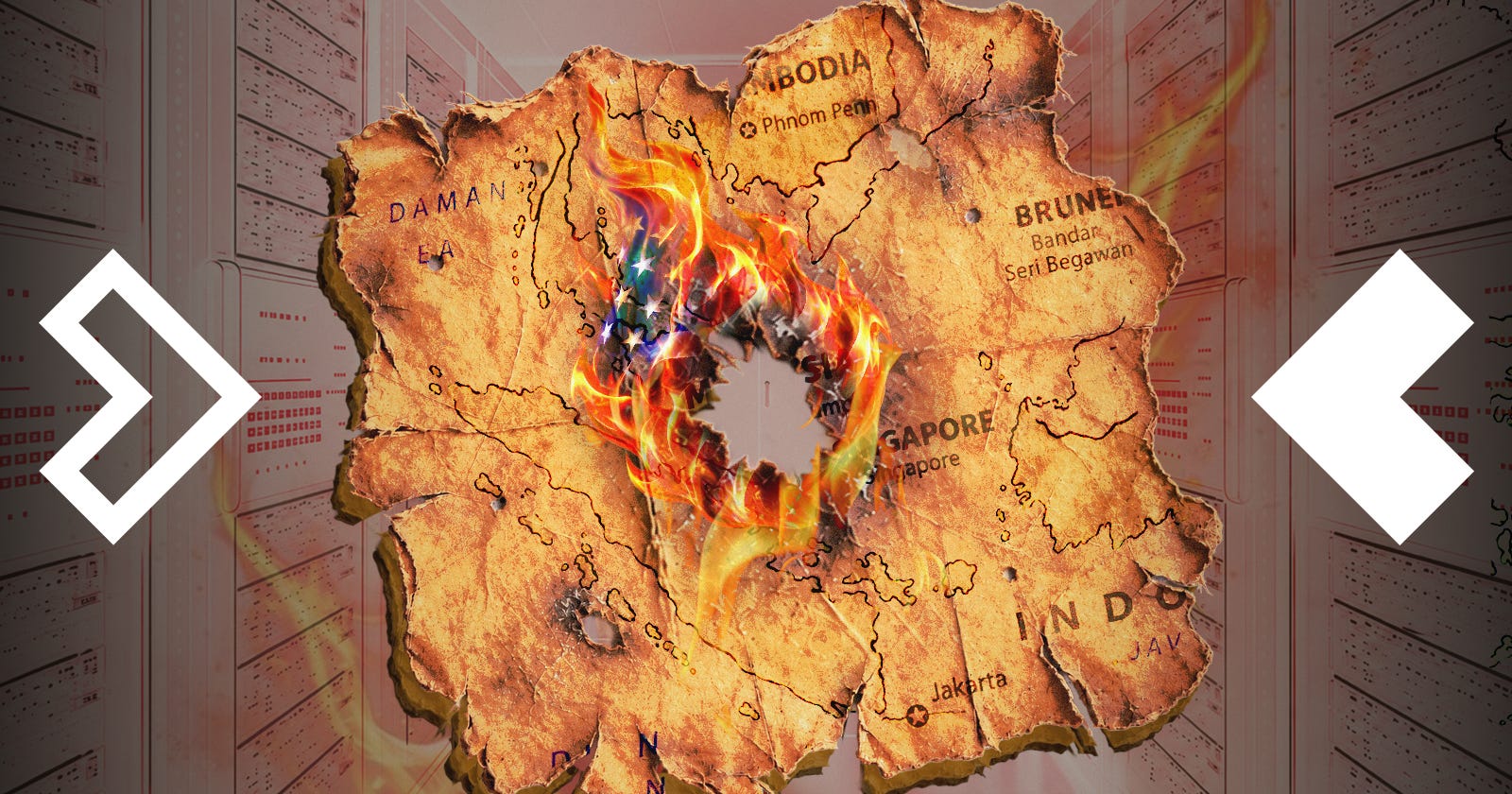
While media gossiped about Nvidia’s CEO, Southeast Asia’s massive data center boom collapsed. Driven by offshore compute leasing and Chinese demand, regional providers fueled rapid growth under Nvidia’s Sovereign AI push. However, tighter US export and cloud regulations have burst this debt-heavy bubble, stranding local speculators with bad debt. Ironically, this US crackdown is accelerating China’s domestic chip self-reliance and alternative accelerator adoption.
They Say China’s AI Bubble Has Burst… Now What?
Following a 2024 stimulus surge, China’s AI stock boom ended in a $480 billion sell-off, largely engineered by Beijing to foster a “slow bull.” Regulators cooled speculation via state-fund selling, stricter margin rules, and large tech IPOs. Despite heavy retail losses, Beijing continues steering the market to prevent deeper instability.